Baby bottles and toys spend a lot of time in a baby mouth, on the floor, and in small hands, so keeping them clean is an important part of daily care. Germs can grow quickly in leftover milk, and toys can pick up dirt and bacteria from floors, prams, and other children. A simple routine of washing, sterilising, and drying helps protect a baby without taking up too much time.
Parents do not need special chemicals or complicated steps. Hot soapy water, a bottle brush, a clean drying rack, and a steriliser are usually enough. Knowing what to wash daily, what to sterilise, and how to store clean items keeps the routine simple and safe for the whole family.
Why Clean Bottles and Toys Matter for Babies
Babies have developing immune systems, so they are more vulnerable to germs than adults. Leftover milk in a bottle can grow bacteria within a few hours, especially in warm weather, and a dirty teat can carry germs into the mouth. Toys that are chewed, dropped, or shared can also spread germs between children.
Regular cleaning reduces the risk of stomach upsets, thrush, and other infections, and it helps bottles and toys last longer. A clean bottle also tastes better, and a baby is more likely to feed well from a bottle that smells fresh. Parents who build cleaning into the daily routine find it becomes a quick habit rather than a chore.
Cleaning is especially important after illness, after a bottle has been left out, or after a toy has been dropped in a public place. A quick wash and sterilise after these moments gives peace of mind, and it takes only a few minutes once the steps are familiar.
- Milk residue grows bacteria quickly
- Toys pick up germs from floors
- Clean items reduce stomach upsets
- Washing after illness is important
- A routine makes cleaning quick
A separate washing up bowl for baby items can help keep bottles away from food residue and strong smells. Rinse the bowl before use, fill it with hot soapy water, and wash the bottles there rather than in the main sink. This small step reduces the chance of germs from raw food or dirty dishes reaching the baby feeding equipment.
Washing Baby Bottles Step by Step Every Day
Rinse each bottle, teat, and cap under cold water as soon as the feed is finished, to remove milk before it dries. Then wash all parts in hot soapy water, using a bottle brush to clean inside the bottle and a teat brush for the teat hole. Pay attention to the threads of the bottle and the inside of the cap, where milk can hide.
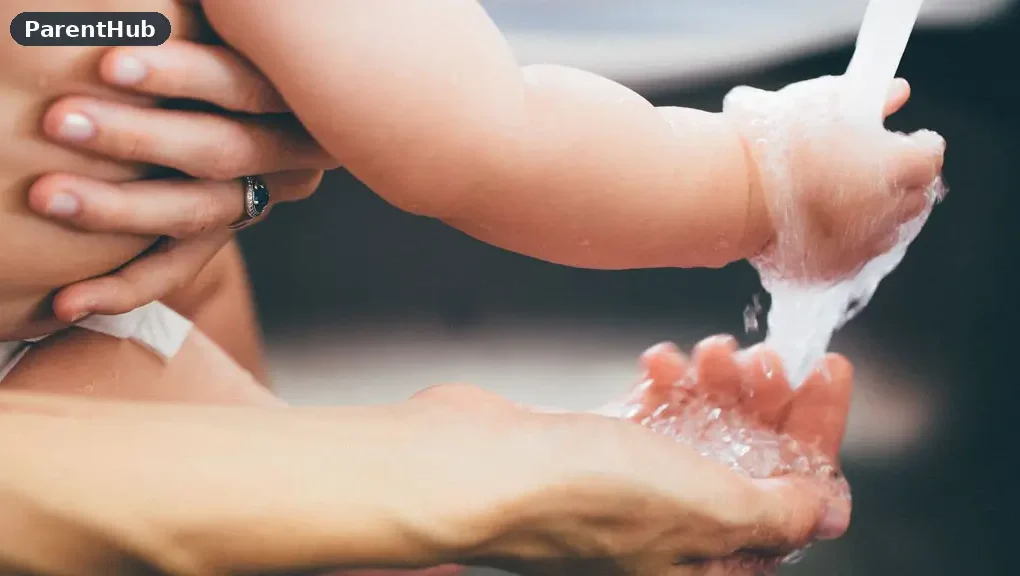
Rinse all parts well under clean running water, and place them upside down on a clean drying rack or a clean towel. Let them air dry fully before storing, because damp bottles can grow mould. Avoid drying bottles with a tea towel, because cloths can carry germs and lint.
Wash the bottle brush itself regularly, and replace it when the bristles look worn or the brush smells stale. Keep a separate brush for baby bottles, and store it in a clean place. The bottle feeding guide for new parents explains how to choose bottles, teats, and cleaning tools for each stage.
Sterilising Bottles and When It Is Needed
Sterilising kills germs that washing alone may not remove, and it is recommended for all bottle feeding equipment until a baby is at least twelve months old. Steam sterilisers, cold water sterilising tablets, and microwave steam bags are all effective when the instructions are followed. Boiling in a large pan of water for at least ten minutes is another option.
Sterilise bottles, teats, caps, and any pump parts that touch milk, after washing them first. Sterilising does not replace washing, because milk residue can protect germs from the sterilising process. Once sterilised, keep the items in the steriliser with the lid on, or assemble the bottles with clean hands and store them in a clean cupboard.
- Wash bottles before sterilising
- Follow steriliser instructions exactly
- Keep sterilised items covered
- Sterilise until twelve months old
- Replace damaged teats and bottles
Teething toys need cleaning more often than other toys, because they spend a lot of time in the mouth. Wash them in hot soapy water after each use, rinse well, and let them air dry. Keep two or three teething toys in rotation, so one can be cleaned while another is in use, and check them for cracks or damage every day.
Cleaning Baby Toys by Type and Material
Toys need different cleaning methods depending on their material. Hard plastic toys can be washed in hot soapy water, rinsed, and air dried, and many can go in the dishwasher on the top rack. Soft fabric toys can be washed in a laundry bag on a gentle cycle, then air dried fully before use.
Wooden toys should be wiped with a damp cloth and mild soap, then dried at once, because soaking can damage the wood and cause it to swell or crack. Electronic toys should be wiped with a damp cloth, taking care not to get water inside the battery compartment. Bath toys need extra care, because water can collect inside and grow mould, so squeeze out the water after each bath and let them dry fully.
Check toys regularly for damage, loose parts, peeling paint, or a bad smell, and discard any toy that is broken or cannot be cleaned properly. A toy that is safe and clean is a toy a baby can explore with confidence. The baby proofing guide for the home also explains how to keep play areas safe and clean room by room.
Storing Clean Bottles and Toys Safely at Home
Store clean and dry bottles in a clean cupboard, with the teats covered by the caps or a clean lid. Avoid storing bottles in a damp place, and do not stack wet bottles, because moisture can lead to mould. A dedicated shelf or basket for baby feeding equipment keeps it separate from other kitchen items.
Store toys in a clean basket, box, or shelf, and rotate them every week or two so they stay interesting and easy to clean. Wash toys that have been mouthed, dropped on the floor, or shared with another child before putting them back in the basket. A simple weekly toy wash, with a quick daily wipe for the most used toys, is enough for most families.
When travelling, carry clean bottles in a sealed bag, and pack a small bottle of washing up liquid, a travel brush, and a few spare teats. Wash bottles as soon as possible after a feed, even when away from home, and sterilise them when back home. If parents are worried about a baby health concern, they should speak with their pediatrician for advice.
A weekly cleaning check, with a quick look at the bottle brush, the steriliser, and the toy basket, helps parents stay on top of the routine. Replace worn brushes, descale the steriliser when needed, and wash the toy basket itself from time to time. These small habits keep the whole system working well without a big effort.
Keeping Bottles and Toys Clean Without Extra Stress
Cleaning bottles and toys does not need to be perfect, but it does need to be regular. A daily wash, sterilising until twelve months, and a weekly toy clean are enough for most families. With a simple routine, clean tools, and safe storage, parents can protect their baby from germs and enjoy play and feeding time with peace of mind.
How often should baby bottles be sterilised?
Sterilise bottles, teats, and caps after washing until a baby is at least twelve months old. Wash first, then sterilise, and keep sterilised items covered until use.
Can baby toys go in the dishwasher?
Many hard plastic toys can go in the dishwasher on the top rack. Check the label first, and wash fabric toys in a laundry bag on a gentle cycle instead.
How should bath toys be cleaned?
Squeeze water out of bath toys after each bath and let them dry fully. Clean them in hot soapy water weekly, and discard any toy with mould inside.
What is the safest way to dry baby bottles?
Let bottles air dry upside down on a clean drying rack. Avoid drying with a tea towel, and store bottles only once they are fully dry.