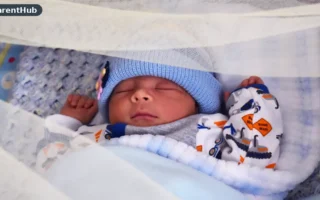

Daytime naps help a baby grow, learn, and stay happy, yet many parents find naps harder than night sleep. A baby may nap well one day and fight every nap the next, or take only short naps that leave everyone tired. Nap training is not about forcing a baby to sleep, but about building a predictable routine, watching sleep cues, and giving the baby the best chance to rest during the day.
Good naps support night sleep too, because an overtired baby often sleeps worse at night, not better. When naps are regular and restful, bedtime becomes easier, and the baby wakes more refreshed. This guide covers how much sleep babies need, how to spot tired signs, and gentle steps that help naps improve over time.
How Much Daytime Sleep Babies Need by Age
Newborns sleep for most of the day, often sixteen to eighteen hours in total, with naps spread across the day and night. There is no fixed nap schedule in the first few weeks, and a newborn may nap after every feed. By three to four months, naps start to become more regular, with three or four naps a day.
Between six and nine months, most babies take two or three naps a day, usually a morning nap, a longer midday nap, and a short afternoon nap. By twelve months, many babies move to two naps, and by fifteen to eighteen months most settle into one longer midday nap. These are general patterns, and every baby is different.
Total sleep needs also change with age. A baby of four to twelve months usually needs twelve to sixteen hours of sleep in a day, including night sleep and naps. A toddler of one to two years usually needs eleven to fourteen hours. Watching the baby mood and energy is often more useful than counting minutes on a clock.
- Newborns nap after most feeds
- Three to four months bring three or four naps
- Six to nine months bring two or three naps
- Twelve months bring about two naps
- Fifteen months bring one longer nap
Spotting Sleep Cues Before a Baby Gets Overtired
Sleep cues are the early signs that a baby is getting tired, and catching them early makes naps much easier. Common cues include yawning, rubbing the eyes or ears, staring into space, becoming quiet, or losing interest in play. Some babies become fussy or clingy when tired, while others become very still and calm.
Once a baby is overtired, it becomes harder to fall asleep, and the baby may cry, arch the back, or fight the nap. This is why timing matters more than any single method. A short window, usually sixty to ninety minutes of awake time for a young baby, and two to three hours for an older baby, is often the best time to start a nap.
Keep a simple note of wake times, nap times, and mood for a few days, and a pattern often appears. A regular wake time in the morning, followed by a nap at a similar time each day, helps the body clock settle. The newborn sleep schedule by age shows typical awake windows and nap patterns for each stage.
A white noise machine or a fan can mask household sounds and help a baby stay asleep through a nap. Keep the volume low, place the machine away from the crib, and turn it off once the baby is asleep if preferred. Some babies settle better with a soft lullaby, while others prefer silence, so try both and follow what works for the baby.
Building a Simple Nap Routine That Works
A short and predictable nap routine helps the baby understand that sleep is coming. The routine can be as simple as a nappy change, a sleep sack, a short story or song, and a cuddle, all in the same order each time. Keep the routine to five or ten minutes, and keep it calm and quiet.
Put the baby down in the crib or cot drowsy but awake when possible, so the baby learns to fall asleep without being rocked or fed to sleep every time. A dark room, white noise, and a comfortable temperature all support sleep. A familiar comfort object, such as a small muslin cloth, can help an older baby settle.
- Use the same short routine each nap
- Keep the room dark, cool, and quiet
- Put the baby down drowsy but awake
- Offer a comfort object for older babies
- Stay consistent for at least a week
Handling Short Naps and Nap Resistance Calmly
Short naps of twenty to thirty minutes are common in the first few months, because baby sleep cycles are short. Many babies gradually learn to link cycles and nap for longer, often around six months. If a baby wakes after a short nap, give a few minutes before responding, because the baby may fall back asleep on their own.
Nap resistance can happen during a growth spurt, a new skill, teething, or a change in routine. Stay calm, keep the routine the same, and try again at the next nap window. Forcing a nap or changing the method every day often makes the problem worse, because the baby needs time to learn the new pattern.
If a nap is missed, bring bedtime a little earlier that day, so the baby does not become overtired. A short nap in a pram, a car, or a carrier can also help on a busy day, although the crib is the best place for a regular nap. The safe sleep rules every parent should follow explain how to keep naps safe in any setting.
A nap log, with the time the baby fell asleep and woke up, can help parents see whether a nap is still needed. If the baby consistently refuses a nap for a week or more, and night sleep stays good, the nap can be dropped. If the baby becomes cranky by late afternoon, bring the nap back for a few more weeks and try again later.
When Babies Drop a Nap and How to Adjust
Dropping a nap is a normal stage, and it usually happens gradually. Signs that a baby is ready to drop a nap include taking a long time to fall asleep, waking early from a nap, or refusing a nap for several days in a row. If the baby is happy and sleeps well at night, the nap may no longer be needed.
Adjust the schedule slowly, by moving the remaining naps a little later, or by shortening the nap that is being dropped. Expect a few unsettled days during the change, and keep bedtime a little earlier until the new pattern settles. A baby who is cranky, rubs the eyes, or falls asleep early in the evening may still need the nap, and the change can wait a few weeks.
Remember that nap needs change with age, illness, and activity. A baby who is unwell, teething, or learning a new skill may need more sleep for a few days, then return to the usual pattern. Flexibility, patience, and a steady routine are more helpful than a rigid schedule.
Consistency matters more than perfection, and a nap routine that works most days is enough. A missed nap, a late nap, or a nap in the car will not undo weeks of good habits, so parents can be flexible without worry. The goal is a baby who is rested, happy, and ready to play and learn during awake time.
Helping Your Baby Build Healthy Nap Habits
Healthy naps grow from regular wake times, early sleep cues, a short and calm routine, and a dark and quiet sleep space. Short naps and nap resistance are normal parts of the journey, and most babies improve with time and consistency. By watching the baby, staying patient, and keeping the routine steady, parents can help daytime sleep become a restful habit for the whole family.
How many naps does a six month old baby need?
Most six month old babies take two or three naps a day. A morning nap, a longer midday nap, and a short afternoon nap is a common pattern at this age.
What are the early signs a baby is tired?
Yawning, rubbing eyes or ears, staring, becoming quiet, or losing interest in play are early signs. Start the nap routine at the first cue before the baby gets overtired.
Why does a baby take only short naps?
Short naps are common because baby sleep cycles last forty to sixty minutes. Many babies learn to link cycles and nap longer from around six months.
When is a baby ready to drop a nap?
A baby may be ready when naps are refused for several days, the baby takes a long time to fall asleep, or night sleep stays good without the nap. Adjust the schedule slowly.