Sunshine is good for babies. Time outdoors helps them explore the world, build strong bones, and enjoy fresh air and movement. But a baby skin is thinner and more sensitive than adult skin, and it burns much more quickly. Sunburn in childhood can also raise the risk of skin problems later in life, so protecting young skin from the sun is one of the simplest and most important habits a parent can build.
Sun safety for babies is not about keeping them indoors all the time. It is about choosing the right time of day, using shade and clothing well, and adding sunscreen where it is needed. This guide explains how the sun affects young skin, what protection works best at each age, and how to enjoy outdoor time without worry.
Why Baby Skin Burns So Easily
Baby skin has less melanin, the pigment that gives skin its colour and helps protect it from ultraviolet rays. It is also thinner than adult skin, so ultraviolet light reaches deeper layers more easily. This means a baby can burn in as little as fifteen minutes in strong sun, even on a cloudy day, when ultraviolet rays still pass through the clouds.
Babies under six months are the most vulnerable of all. Their skin is at its thinnest, and their bodies are less able to cope with heat. For this reason, babies under six months should be kept out of direct sunlight as much as possible. Shade, clothing, and a hat are the best protection at this age, and sunscreen is used only on small areas that cannot be covered, such as the face and hands, when shade is not available.
Heat is a separate risk from sunburn. Babies overheat more easily than adults, because their bodies are small and they cannot move to a cooler place on their own. A baby in strong sun can become too hot very quickly, so check for signs of overheating, such as a very red face, sweating, or unusual fussiness, and move to shade and offer a feed or a drink.
Shade and Timing Are the Best Protection
Shade is the simplest and most effective form of sun protection. A tree, a canopy, a parasol, or the shade of a building can block most direct sunlight. When you go out with a baby, plan your route and your resting places around shade. A pram with a sun canopy helps, but remember that shade moves as the sun moves, so check where the sun is falling every so often.
Timing matters too. The sun is strongest in the middle of the day, roughly between 10 in the morning and 4 in the afternoon, depending on where you live and the time of year. Plan outdoor play, walks, and trips for the early morning or late afternoon when the sun is lower and the heat is less intense. If you must be out at midday, keep the time short and stay in the shade as much as you can.
- Plan outdoor time for early morning or late afternoon
- Stay in the shade during the middle of the day
- Use trees, canopies, and pram shades for cover
- Remember that clouds do not block ultraviolet rays
- Check where the shade falls as the sun moves
Water, sand, and light coloured surfaces reflect sunlight and can increase exposure, even in the shade. A baby sitting near water or on a bright beach can be sunburned from reflected light, so clothing and sunscreen matter even when the baby is not in direct sun.
Clothing and Hats That Protect Young Skin
Clothing is a reliable and simple way to protect a baby from the sun. Light, loose clothing that covers the arms and legs is better than bare skin, and tightly woven fabric blocks more ultraviolet light than thin, loose weaves. Many shops sell swimwear and tops with built in ultraviolet protection, which is a useful option for beach days and swimming.
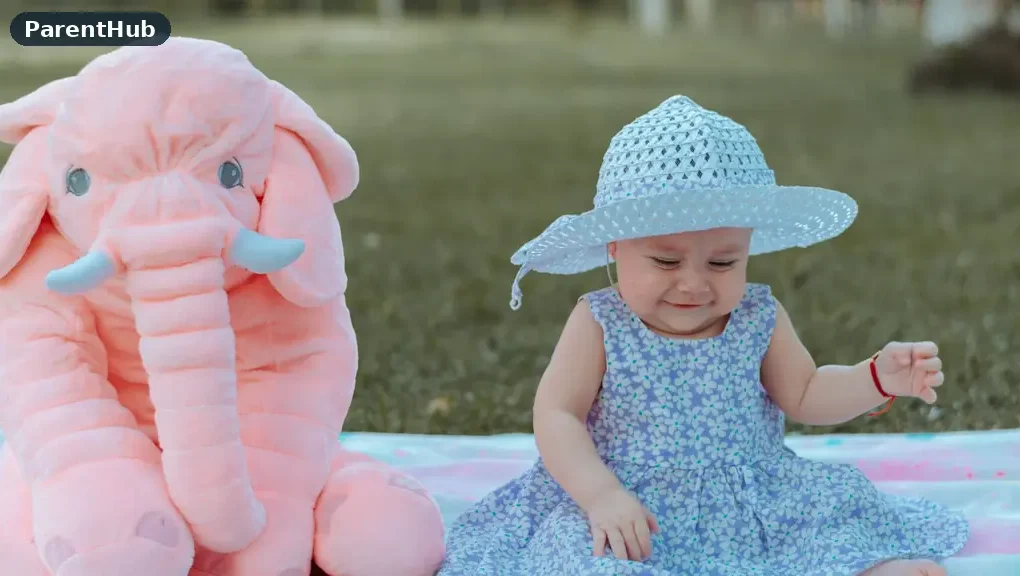
A wide brim hat that shades the face, ears, and neck is one of the most useful items of sun protection. A hat with a chin strap stays on better when a baby is active, and a hat with a flap at the back gives extra cover for the neck. Sunglasses made for babies, with proper ultraviolet protection, can help too, though some babies will not keep them on.
Choose light colours and breathable fabrics, such as cotton, so your baby stays cool. Dressing for the weather matters all year, and our guide to how to dress your newborn for any weather covers layering and fabric choices in more detail. In hot weather, a single light layer is usually enough, and a damp cloth on the skin can help with cooling.
Using Sunscreen on Babies and Young Children
Sunscreen is an important layer of protection for babies over six months, and for small uncovered areas on younger babies when shade is not available. Choose a broad spectrum sunscreen with a sun protection factor of at least 30, made for babies or sensitive skin. Mineral sunscreens, which use zinc oxide or titanium dioxide, are often a good choice for young skin, since they sit on the surface and are less likely to irritate.
Apply sunscreen generously, around thirty minutes before going outside, so it has time to form a protective layer. Cover all exposed skin, including the face, ears, neck, hands, and feet. Reapply every two hours, and more often after swimming or sweating. Do not forget areas that are easy to miss, such as the tops of the feet and the back of the neck.
- Choose broad spectrum sunscreen with SPF 30 or higher
- Apply thirty minutes before going outside
- Cover all exposed skin, including ears and feet
- Reapply every two hours and after swimming
- Test a new sunscreen on a small patch of skin first
Test a new sunscreen on a small patch of skin first, and watch for redness or irritation over the next day. If your baby skin reacts, try a different product with a simpler formula. Keep sunscreen out of your baby eyes and mouth, and wash it off with a gentle bath at the end of the day.
What to Do If Your Baby Gets Sunburned
Even with good care, sunburn can happen. If your baby skin is red, warm, and tender, move them out of the sun at once and into a cool place. Offer a feed or a drink, since a sunburned baby can lose fluid more quickly. Cool the skin gently with a damp cloth, and dress your baby in loose, soft clothing.
Do not apply ice directly to the skin, and do not use creams or lotions that contain fragrance or alcohol, since these can irritate burned skin. A plain moisturiser can help once the skin has cooled. If the sunburn is severe, with blisters, swelling, or a fever, or if your baby seems unwell, lethargic, or is not feeding, seek medical care promptly. If you are worried about your baby, speak with your pediatrician for advice.
Prevention is easier than treatment, and the habits in this guide are the best defence. Shade, timing, clothing, a hat, and sunscreen together give your baby strong protection. For a wider look at keeping your baby safe at home and out, our guide to baby proofing your home room by room covers safety checks for every stage.
Enjoying the Outdoors Safely With Your Baby
Sun safety does not mean staying indoors. It means choosing shade, timing outings well, dressing your baby in light protective clothing and a hat, and using sunscreen where it is needed. With these simple habits, your baby can enjoy the outdoors, the fresh air, and the sunshine, while their delicate skin stays protected. A little planning before you head out makes every sunny day safer and more relaxed for the whole family.
Can babies under six months use sunscreen?
Babies under six months should be kept out of direct sunlight as much as possible. Shade, clothing, and a hat are the best protection at this age. Sunscreen can be used on small uncovered areas such as the face and hands when shade is not available.
What SPF sunscreen should I use on a baby?
Choose a broad spectrum sunscreen with a sun protection factor of at least 30, made for babies or sensitive skin. Mineral sunscreens with zinc oxide or titanium dioxide are often a good choice for young skin. Apply it thirty minutes before going outside.
What time of day is the sun strongest for babies?
The sun is strongest in the middle of the day, roughly between 10 in the morning and 4 in the afternoon, depending on where you live and the time of year. Plan outdoor play for the early morning or late afternoon when the sun is lower and the heat is less intense.
What should I do if a baby gets sunburned?
Move your baby out of the sun into a cool place, offer a feed or a drink, and cool the skin gently with a damp cloth. Do not apply ice directly or use scented creams. If there are blisters, swelling, a fever, or your baby seems unwell, seek medical care promptly.