Safe sleep is one of the most important parts of baby care, because the way a baby sleeps affects their safety through the night. A few simple rules can greatly reduce the risk of sudden infant death syndrome and other sleep related accidents. These rules are easy to follow once you know them, and they become a natural part of your nightly routine.
This guide explains the safe sleep rules every parent should follow, from the sleep position and the sleep surface to room temperature, clothing and the sleep environment. It also covers common questions about bed sharing, sleep positioners, swaddling and what to do when your baby rolls over. The advice here follows widely accepted safe sleep guidance, and your doctor can help you apply it to your own home.
Always Place Your Baby on the Back to Sleep
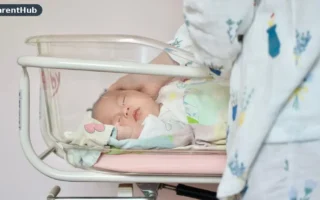
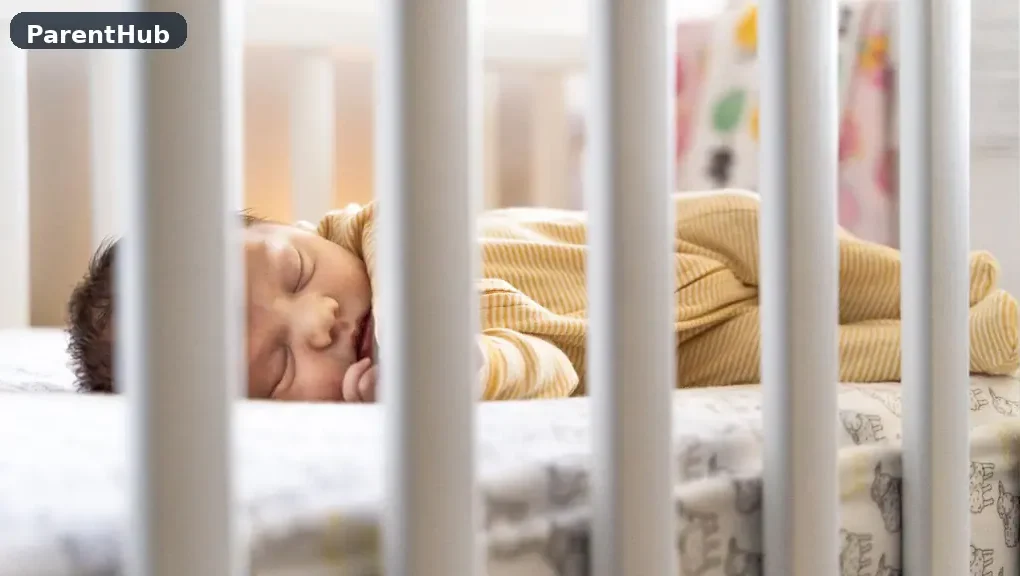
Placing your baby on the back to sleep is the single most important safe sleep rule. Back sleeping keeps the airway clear and reduces the risk of sudden infant death syndrome, and it is recommended for every sleep, including naps, from birth until your baby can roll both ways on their own. Tummy sleeping and side sleeping are not safe for babies who cannot roll yet.
Once your baby can roll from back to tummy and from tummy to back, usually around four to six months, you can let them find their own sleep position after placing them on the back. You do not need to turn them back during the night, but always start each sleep on the back. Use tummy time during waking hours to build the strength needed for rolling.
Some parents worry that back sleeping increases the risk of choking, but healthy babies placed on the back are no more likely to choke than babies placed on the tummy. The airway anatomy protects against choking when a baby is on the back, and any spit up can be cleared more easily. If your baby has a medical condition that affects sleep position, follow your doctor advice.
Keep the Sleep Space Clear and Firm
Your baby should sleep on a firm flat mattress in a cot, bassinet or crib that meets current safety standards. The mattress should fit snugly with no gaps at the edges, and it should be covered with a fitted sheet only. Avoid soft mattresses, water beds, sofas, armchairs and adult beds for baby sleep, because these surfaces increase the risk of suffocation.
Keep the sleep space clear of pillows, loose blankets, quilts, bumpers, soft toys and sleep positioners. These items can cover your baby face or block breathing, and they are not needed for comfort. A sleep sack or wearable blanket is a safer way to keep your baby warm, and it should fit snugly around the neck and arms for the right size.
Check your cot regularly for loose parts, broken slats or peeling paint, and keep the cot away from cords, curtains and blinds. Our guide to moving your baby from bassinet to crib explains how to make the move safely when your baby outgrows the bassinet. A clear and firm sleep space is simple, safe and easy to maintain.
Room Sharing and the Right Temperature
Sharing a room with your baby for the first six to twelve months is recommended, because it makes night feeding easier and allows you to hear your baby if they need help. Place the cot or bassinet close to your bed, but keep your baby in their own sleep space rather than in your bed. Room sharing is different from bed sharing, and it offers safety benefits without the risks of sharing a sleep surface.
Keep the room at a comfortable temperature, ideally between 16 and 20 degrees Celsius, and dress your baby in light sleep clothing. Check warmth by feeling the chest or tummy, which should feel warm but not hot or sweaty. Overheating increases the risk of sudden infant death syndrome, so avoid heavy blankets, hats indoors and too many layers.
If your baby feels hot, remove a layer or use a lighter sleep sack. If your baby feels cool, add a light layer rather than a loose blanket. Keep the room ventilated, avoid smoking in the home, and keep the sleep area free from strong smells. A smoke free home is one of the strongest protective factors for safe sleep.
- Place your baby on the back for every sleep
- Use a firm flat mattress with a fitted sheet only
- Keep pillows, blankets and soft toys out of the cot
- Share a room for the first six to twelve months
Safe Sleepwear and Swaddling Rules
Dress your baby for sleep in light, breathable clothing, such as a cotton sleep suit or a sleep sack. The sleepwear should fit well, with no loose ties, ribbons or buttons that could come off. Choose the weight of the sleep sack for the season, with a lighter sack in warm weather and a slightly warmer sack in cool weather, and always check your baby temperature by touch.
Swaddling can help some newborns settle, but it must be done safely and stopped as soon as your baby shows signs of rolling, usually around three to four months. The swaddle should be snug around the body but loose around the hips and legs, so the hips can move freely. Never swaddle with the arms free on one side only, and never place a swaddled baby on the tummy.
If you use a swaddle, choose a light breathable fabric and check that your baby is not overheating. Stop swaddling once your baby can roll, and move to a sleep sack instead. If you are unsure whether swaddling suits your baby, ask a health visitor or doctor to show you the safe method and when to stop.
Bed Sharing, Sofas and Common Risks
Bed sharing increases the risk of sudden infant death syndrome and accidental suffocation, especially if a parent smokes, has used alcohol or medicines that cause drowsiness, or if the baby was born early or with a low birth weight. The safest choice is for your baby to sleep in their own cot or bassinet next to your bed, where you can reach them easily for feeding and comfort.
Never sleep with your baby on a sofa or armchair, because this is one of the most dangerous sleep situations. Sofas have soft surfaces and gaps where a baby can become trapped, and falling asleep while holding a baby on a sofa is a serious risk. If you feel drowsy while feeding, move to a safe place and put your baby down in their own sleep space.
Other risks include sleeping with a baby after drinking alcohol, using sedative medicines, or being very tired. If you feel too tired to stay awake while feeding, feed in a chair with a firm surface and put your baby down as soon as the feed ends. Our guide to newborn sleep schedules by age can help you plan safer night routines and longer stretches of rest.
Keeping Every Sleep Safe for Your Baby
Safe sleep rules are simple, but they make a real difference every night. Place your baby on the back, use a firm flat mattress, keep the sleep space clear, share a room, and avoid overheating. Make these habits part of your nightly routine, share them with everyone who cares for your baby, and ask your doctor if you ever feel unsure about a sleep choice.
Why should babies sleep on their back?
Back sleeping keeps the airway clear and greatly reduces the risk of sudden infant death syndrome. It is recommended for every sleep from birth until your baby can roll both ways on their own.
Are sleep positioners safe for babies?
No, sleep positioners, wedges and rolled blankets are not safe, because they can shift and block your baby breathing. A firm flat mattress with no extra items is the safest sleep surface.
When should I stop swaddling a baby?
Stop swaddling as soon as your baby shows signs of rolling, usually around three to four months. Move to a sleep sack instead, because a swaddled baby who rolls onto the tummy cannot move freely.
Is it safe for a baby to sleep in my bed?
Bed sharing increases the risk of suffocation and sudden infant death syndrome, especially with smoking, alcohol or drowsiness. The safest choice is a separate cot or bassinet in the same room as you.