Reading to a baby may seem too early when the baby cannot yet understand words, but research shows that the benefits start from birth. A baby hears the rhythm of language, sees the pictures, feels the pages, and enjoys the closeness of a parent voice. These early moments build the foundation for language, learning, and a lifelong love of books.
Parents do not need to read for a long time, or to finish a whole book at every sitting. A few minutes a day, with a simple board book and a calm voice, is enough to make a difference. Reading together is also a warm and quiet time that strengthens the bond between parent and baby, and it can become a favourite part of the daily routine.
How Reading Builds Language From the First Months
A baby brain grows quickly in the first year, and hearing language helps it build connections for speech and understanding. When a parent reads aloud, the baby hears new words, different sounds, and the rise and fall of sentences. Even before a baby can speak, the brain is learning the patterns of language.
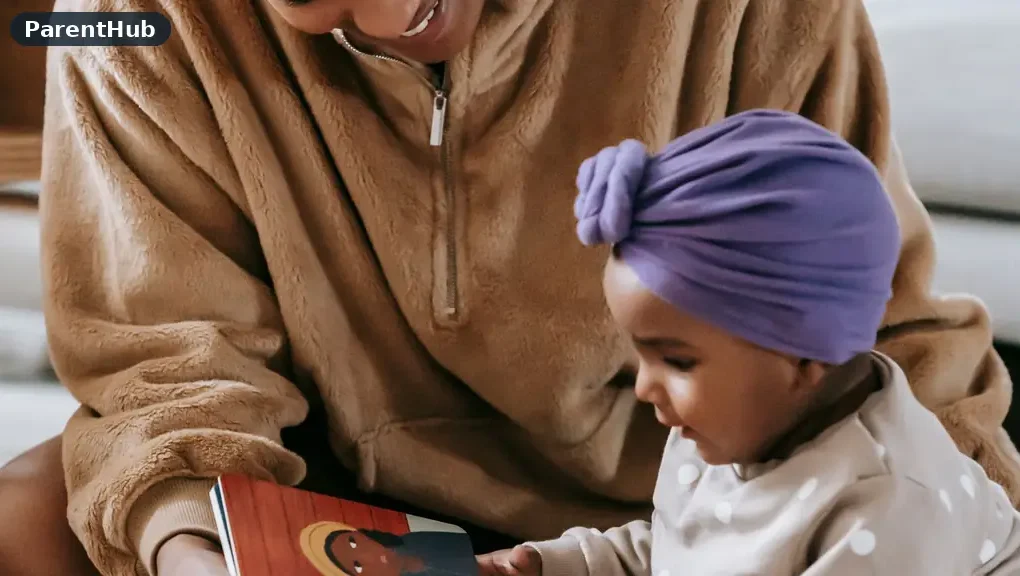
Pointing at pictures and naming them adds more words to the baby vocabulary. A parent can say the name of an animal, a colour, or an object, and repeat it often. Repetition helps a baby remember words, and the same book read many times becomes familiar and comforting, which encourages the baby to listen for longer.
Talking about the pictures, asking simple questions, and pausing for the baby to respond with a sound or a gesture all support language growth. A baby who is read to regularly often starts to babble, point, and use first words earlier than a baby who hears less language. The guide to supporting a baby first words explains how talking and reading work together at each stage.
- Read aloud in a calm clear voice
- Point at pictures and name them
- Repeat favourite books often
- Pause for baby sounds and gestures
- Talk about the story in simple words
Reading and Bonding Through Voice and Closeness
Reading time is also bonding time, because the baby sits close, hears a familiar voice, and feels safe and warm. A parent voice is soothing, and the rhythm of a story can calm a fussy baby. Eye contact, a gentle touch, and a shared smile during reading help a baby feel loved and secure.
A regular reading routine, such as a book before a nap or at bedtime, gives a baby a sense of predictability. The baby learns that after a bath and a story, it is time to sleep, and the calm voice helps the baby settle. This routine can become a treasured habit that lasts through childhood.
Reading together also gives parents a quiet break from the busy day. Sitting down with a book, away from screens and chores, creates a calm moment for both parent and baby. The guide to bonding with a newborn baby shows how simple daily moments, including reading, build a strong connection.
For toddlers, picture books with a simple story, a clear beginning and end, and a few words per page are ideal. A toddler can point at the pictures, repeat the words, and start to tell the story in their own way. Let the toddler choose the book, even if it is the same book every day, because choice and repetition both support learning.
Choosing the Best Books for Babies by Age
For newborns, high contrast black and white books, cloth books, and simple board books with one picture per page work best. The baby can see the bold shapes, feel the textures, and hear the parent voice. Keep the book close, about thirty centimetres from the face, so the baby can focus.
For babies of four to twelve months, board books with bright pictures, lift the flap pages, textures to touch, and simple rhymes are ideal. A baby will chew, grab, and drop the book, so sturdy board books and cloth books are the safest choice. Let the baby hold the book, turn the pages, and explore it in their own way.
- Choose sturdy board books for babies
- Look for bright pictures and rhymes
- Try touch and feel textures
- Let the baby hold and explore the book
- Keep books within easy reach
A bedtime story can be part of a wider bedtime routine, with a bath, a feed, a story, and a cuddle in the same order each night. The familiar pattern helps the baby relax and fall asleep, and the story becomes a signal that the day is ending. Keep the lights low and the voice soft during a bedtime story, so the baby stays calm.
Simple Tips for Reading Together Every Day
Start with a few minutes a day, and build up as the baby interest grows. Read at a time when the baby is alert and happy, such as after a feed or a nap, rather than when the baby is tired or hungry. If the baby loses interest, stop and try again later, because a short and happy session is better than a long and forced one.
Use different voices for characters, make animal sounds, and add actions to the story. A baby loves to hear a parent voice change, and the sounds make the story more fun. Do not worry about reading every word exactly, because describing the pictures and talking about the story is just as valuable.
Keep books in different rooms, in the car, and in the nappy bag, so reading can happen anywhere. A small basket of books near the changing table or the feeding chair makes it easy to pick up a book at any time. Visiting a library, joining a baby rhyme time, or swapping books with other families can add variety without cost.
How Early Reading Supports Learning and School Readiness
Early reading supports more than language. It builds attention, memory, and imagination, because a baby learns to focus on a picture, remember a story, and predict what comes next. A baby who is read to often develops a larger vocabulary, better listening skills, and a stronger interest in books by the time school starts.
Reading also introduces a baby to the world beyond the home, through pictures of animals, places, foods, and people. A book can show a farm, a beach, a train, or a festival, and spark curiosity about the world. These early experiences help a child feel confident when learning new things later on.
Parents who read to their babies are also modelling a love of reading, which children often copy. A home where books are visible, valued, and shared teaches a child that reading is a joyful part of everyday life, not just a school task.
Grandparents, siblings, and other family members can also read to the baby, and each new voice adds variety and warmth to the experience. A baby who hears different voices reading the same story learns that language can sound different and still carry the same meaning. Shared reading brings the family together around books, and it creates happy memories for everyone.
Starting a Reading Habit Your Baby Will Love for Life
Reading to a baby from birth builds language, bonding, learning, and a love of books, all in a few quiet minutes a day. Choose sturdy and colourful books, read in a calm voice, point at pictures, and follow the baby lead. A simple daily reading habit, started early and kept with warmth and patience, can grow into a lifelong joy that supports a child at every stage. A book shared daily becomes a habit children remember fondly.
When should parents start reading to a baby?
Start reading from birth. A newborn hears the rhythm of language, sees pictures, and enjoys the closeness, even before understanding words.
How long should a reading session last for a baby?
A few minutes a day is enough at first. Follow the baby interest, stop when the baby loses focus, and build up the time as the baby grows.
What books are best for a newborn baby?
High contrast black and white books, cloth books, and simple board books with one picture per page work best for newborns. Keep the book close to the face.
Does reading help a baby learn to talk?
Yes, reading builds vocabulary, listening, and speech sounds. Pointing at pictures, naming objects, and repeating favourite books all support early language.