
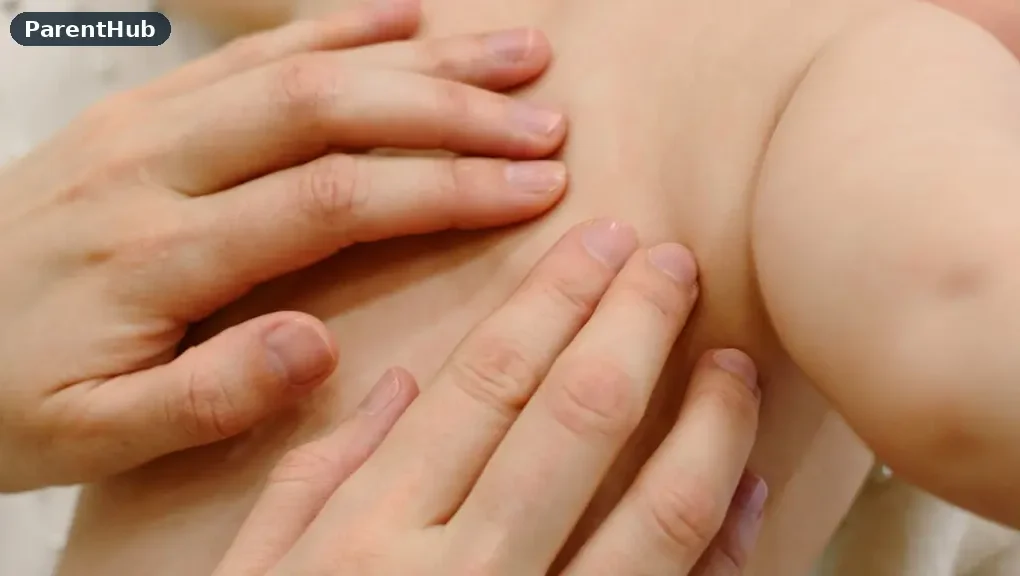
Most babies develop a rash at some point in the first year, and most rashes are mild and short lived. A red patch, a few small bumps, or dry skin can appear quickly and cause worry, especially for new parents. In many cases the skin settles with simple care, such as keeping the area clean and dry and avoiding irritants. Learning what different rashes look like helps parents respond calmly instead of guessing.
This guide covers the rashes parents see most often, from nappy rash to heat rash and eczema. It explains likely causes, gentle soothing steps, and everyday habits that protect delicate skin. It is general information only and does not replace medical advice. If a rash looks severe, spreads quickly, or comes with other symptoms, speak with your pediatrician for advice that fits your baby.
Nappy Rash Causes and Gentle Relief
Nappy rash is the most common rash in babies, and it usually appears as redness on the buttocks, groin, or inner thighs. Long contact with urine or stool, friction from a nappy, and moisture all irritate the skin. A new food, a bout of loose stools, or a nappy that is too tight can make it worse. The skin often looks sore and the baby may cry more during nappy changes.
Relief starts with frequent nappy changes and gentle cleaning. Use warm water and a soft cloth or cotton wool, and pat the skin dry rather than rubbing. Let the baby spend short periods without a nappy so air can reach the skin. A thin layer of a plain barrier cream can protect the skin from moisture. Avoid scented wipes and powders while the rash is active, because they can add irritation.
- Change nappies often, especially after stools and overnight feeds.
- Clean with warm water and pat dry with a soft cloth.
- Allow short nappy free periods on a towel each day.
- Apply a thin layer of plain barrier cream at each change.
- Check that the nappy size is not too tight around the legs.
Heat Rash and Prickly Skin in Warm Weather
Heat rash appears when sweat gets trapped under the skin, often in warm weather or when a baby is dressed too warmly. It shows as clusters of tiny red bumps or small clear blisters, usually on the neck, chest, back, or in skin folds. The baby may seem uncomfortable, but heat rash is usually mild and fades once the skin cools down and stays dry.
Cool the room, remove extra layers, and dress the baby in light cotton clothing. A lukewarm sponge bath can soothe the skin and wash away sweat. Avoid heavy creams and oils on the affected area, because they can trap heat and block the skin. Keep the baby out of direct sun and check the back of the neck to judge whether the baby is too warm, since hands and feet often feel cooler.
Heat rash often clears within a day or two once the baby stays cool. If the bumps become filled with yellow fluid, spread widely, or the baby develops a fever, get medical advice promptly. These signs can point to an infection rather than simple heat rash. Keep a note of when the rash started and what the weather and clothing were like, because that detail helps a health professional.
Eczema and Dry Patches on Baby Skin
Eczema often appears as dry, red, and itchy patches on the cheeks, arms, or legs, and it can come and go over weeks or months. The skin may feel rough, and scratching can make it worse. Some babies have a family history of eczema, asthma, or hay fever, which increases the chance of dry skin problems. Eczema is not caused by poor hygiene, and it is not contagious.
Daily moisturising helps protect the skin barrier. Use a plain, fragrance free moisturiser after baths and at least once more during the day. Keep baths short and lukewarm, and use a mild cleanser or plain water rather than bubble bath or scented soap. Dress the baby in soft cotton and wash new clothes before first use to remove stiff finishes that can irritate the skin.
- Moisturise daily with a plain fragrance free cream or ointment.
- Keep baths short, lukewarm, and free from bubble bath.
- Use soft cotton clothes and wash new items before wearing.
- Keep nails short to reduce damage from scratching.
- Note any pattern between flare ups and new products or foods.
Baby Acne and Small Spots on the Face
Baby acne usually appears in the first few weeks as small red or white bumps on the cheeks, forehead, or chin. It is thought to be linked to hormones passed on before birth, and it normally fades on its own within a few weeks or months. The spots do not usually bother the baby, and they do not need creams or special treatment.
Wash the face once or twice a day with warm water and a soft cloth, then pat dry. Avoid adult acne products, scented lotions, and oils, because baby skin is far more sensitive. Do not squeeze or pick at the spots, since that can cause infection or scarring. If the spots spread to the body, look infected, or last beyond a few months, ask a health professional to take a look.
Other small spots, such as milia, are also common in newborns. Milia are tiny white bumps, often on the nose, that fade without treatment. Cradle cap is another familiar condition, with yellowish scales on the scalp. Gentle washing and a soft brush usually help cradle cap, and it rarely causes discomfort. The guide to newborn skin care for sensitive skin covers daily routines that support all of these conditions.
Daily Habits That Keep Baby Skin Calm
Healthy skin habits prevent many rashes before they start. Change nappies promptly, keep skin folds clean and dry, and choose gentle products with few ingredients. Wash bedding and clothes in a mild detergent and rinse well. Avoid fabric softener on baby items, and keep the laundry routine simple so it is easy to spot a product that causes a reaction.
Pay attention to new products, foods, and changes in routine when a rash appears. Introduce one new item at a time so the cause is easier to find. A simple diary of skin changes, products used, and foods eaten can be useful at a health visit. For nappy area care in particular, the steps in changing a newborn nappy for beginners pair well with the rash care habits described here.
- Use mild fragrance free products on skin, clothes, and bedding.
- Clean skin folds gently and dry them after baths.
- Introduce new products one at a time and watch the skin.
- Keep the baby cool in warm weather and out of harsh sun.
- Seek advice early if a rash spreads or the baby seems unwell.
Soothing Baby Rashes With Confidence
Most baby rashes respond to gentle care, patience, and a watchful eye. Keep the skin clean and dry, use plain products, and give the rash time to settle. Photograph the rash if it changes, note when it started, and keep track of anything new in the routine. If you feel worried at any point, speak with your pediatrician, because a quick conversation can bring reassurance and a clear next step.
What is the fastest way to soothe nappy rash?
Change nappies often, clean with warm water, and pat the skin dry. Allow short nappy free periods so air can reach the skin. A thin layer of plain barrier cream protects the area while it heals.
When should I worry about a baby rash?
Seek advice if a rash spreads quickly, looks infected, comes with a fever, or the baby feeds poorly or seems unusually sleepy. Blistering, swelling, or a rash that does not fade with gentle care also needs a prompt check.
Can I use moisturiser on a baby with eczema?
Daily moisturising with a plain fragrance free cream helps protect the skin barrier in eczema. Apply after baths and at least once more during the day. Ask a health professional for advice if the skin stays red, cracked, or very itchy.
How can I tell heat rash from other baby rashes?
Heat rash often appears as tiny red bumps or clear blisters on the neck, chest, or back in warm weather. It usually fades within a day or two once the baby stays cool. Other rashes last longer or appear in different areas.