Formula feeding is a safe and healthy way to feed a baby, whether it is used from birth, alongside breastfeeding, or after weaning. Many families choose formula for practical, medical, or personal reasons, and a baby can grow and thrive on formula alone. The key steps are choosing the right type, making bottles safely, and feeding in a calm and responsive way.
Parents often have questions about which formula to buy, how much to offer, and how to store made up bottles. Clear guidance from a health professional, the instructions on the tin, and a simple daily routine make the process much easier. This guide covers the basics, so parents can feed with confidence from the first bottle.
Choosing the Right Formula for Your Baby
Most healthy babies do well on a standard first infant formula, which is made from cow milk and adapted to meet the nutritional needs of a baby. Follow on formula is made for babies over six months, but it is not needed if a first formula is already being used. Special formulas are available for babies with allergies, reflux, or other medical needs, and these should only be used on the advice of a health professional.
Formula comes as a powder, a ready to feed liquid, or a concentrated liquid. Powder is the most common and the most affordable, while ready to feed formula is convenient for travel or night feeds. Check the expiry date, store the tin in a cool dry place, and use the scoop that comes with the tin, because scoops vary in size between brands.
Do not switch formulas often without a reason, because a change can cause temporary fussiness or a change in stools. If a baby seems to react to a formula, with a rash, vomiting, blood in the stool, or poor weight gain, speak with a health professional before changing to another type. The breast milk storage guide also explains how expressed milk can be used alongside formula when families combine feeding methods.
- Start with a standard first infant formula
- Use special formula only on medical advice
- Check expiry dates before each use
- Use the scoop supplied with the tin
- Store tins in a cool dry place
Making Up a Formula Bottle Safely Step by Step
Clean hands, clean bottles, and fresh water are the foundation of safe formula feeding. Wash hands with soap, sterilise bottles and teats until the baby is at least twelve months old, and use freshly boiled water that has cooled to about 70 degrees. Boiling the water kills germs that can be present in powder, and the water should be used within thirty minutes of boiling.
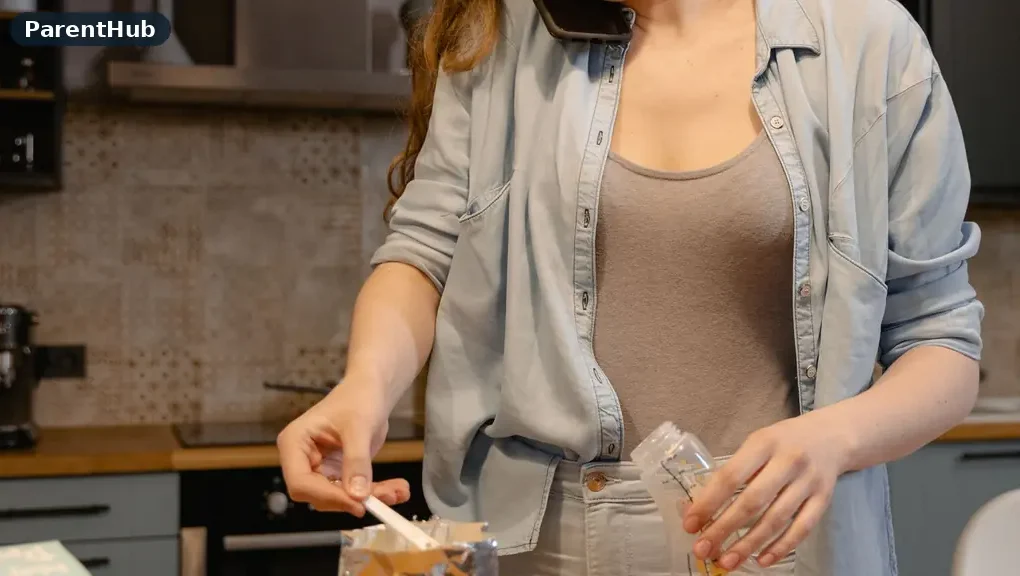
Pour the water into the sterilised bottle first, then add the correct number of level scoops of powder, using the scoop provided. Level each scoop with a clean knife or the leveller on the tin, and never add extra powder to make the feed stronger, because too much powder can dehydrate a baby. Shake the bottle well, then cool it under cold running water until it feels warm on the inside of the wrist.
Test the temperature before offering the bottle, and discard any formula that has been left at room temperature for more than two hours. Make up each bottle fresh when possible, rather than making a batch for the whole day. Ready to feed formula can be used straight from the carton, and it should be stored in the fridge once opened.
Some babies take smaller feeds more often, while others take larger feeds with longer gaps, and both patterns can be normal. The total amount over a full day matters more than the amount at a single feed, so look at the whole day rather than one bottle. If the baby is gaining weight steadily, has regular wet nappies, and seems content between feeds, the amount is probably right.
How Much Formula a Baby Needs by Age
A newborn usually takes about sixty to ninety millilitres per feed, every two to three hours, and the amount grows as the baby grows. By three months, many babies take one hundred and twenty to one hundred and eighty millilitres per feed, and by six months the amount may reach two hundred millilitres or more. These are general guides, and every baby is different.
Follow the baby hunger and fullness cues, rather than forcing the baby to finish a bottle. A baby who turns away, pushes the teat out, or falls asleep has probably had enough. A baby who finishes a bottle quickly and still seems hungry may need a little more at the next feed. Regular weight checks with a health professional show whether the baby is growing well.
- Newborns take sixty to ninety millilitres per feed
- Offer feeds every two to three hours at first
- Follow hunger and fullness cues
- Do not force a baby to finish a bottle
- Check growth with regular weigh ins
Paced Bottle Feeding for a Calm and Happy Baby
Paced bottle feeding mimics the flow of breastfeeding and helps a baby control the pace of the feed. Hold the baby upright, keep the bottle horizontal so the teat is only partly filled with milk, and let the baby draw the milk in with pauses. This slower pace reduces wind, spit up, and overfeeding, and it gives the baby time to feel full.
Take breaks during the feed to burp the baby, and switch sides halfway through, just as with breastfeeding. This helps the baby use both eyes and ears evenly, and it gives the parent a chance to check whether the baby wants more. The bottle feeding guide for new parents explains paced feeding, teat sizes, and cleaning in more detail.
Hold the baby close during feeds, make eye contact, and talk in a soft voice. Feeding time is bonding time, and a calm and warm parent helps the baby feel safe. Avoid propping a bottle, because a baby left alone with a bottle can choke, and the baby misses the comfort of being held.
Storing Formula and Feeding Away From Home
Made up formula should be used within two hours at room temperature, or within twenty four hours if stored in the fridge at the back, away from the door. Discard any leftover formula in a bottle after a feed, because bacteria from the mouth can grow in the milk. Never reheat a bottle more than once, and never use a microwave to warm formula, because hot spots can burn the mouth.
For outings, carry a flask of hot water, a sterilised bottle, and the correct amount of powder in a clean container, then make up the bottle when needed. Ready to feed cartons are also handy for travel, and they can be carried in a cool bag. Pack extra bottles, teats, and a spare outfit, so a spill or a delay does not cause stress.
Clean bottles, teats, and pump parts with hot soapy water and a bottle brush, then sterilise them until the baby is twelve months old. Rinse well, and let the parts air dry on a clean rack. Replace teats regularly, and check for cracks, tears, or a sticky texture, which are signs that a teat needs to be changed.
Travelling with formula is easier with a little planning, and ready to feed cartons are a useful option for flights, long car journeys, or days out. Pack more formula than expected, in case of delays, and keep the bottles and powder in hand luggage where they can be reached quickly. A small cool bag keeps ready to feed cartons fresh until they are needed.
Feeding Your Baby With Confidence on Formula
Formula feeding is a normal and healthy choice, and with safe preparation, responsive feeding, and a simple routine, parents can feel confident from the first bottle. Choosing the right formula, making it up correctly, and following the baby cues are the main steps, and a health professional can help with any questions along the way.
How much formula should a newborn drink?
A newborn usually takes sixty to ninety millilitres per feed every two to three hours. Follow hunger and fullness cues, and check growth with regular weigh ins.
Can formula be made up in advance?
Make up each bottle fresh when possible. Made up formula can stay in the fridge for up to twenty four hours, and should be used within two hours at room temperature.
Why should extra powder never be added to formula?
Adding extra powder makes the feed too strong and can dehydrate a baby. Always use the correct number of level scoops with the scoop supplied with the tin.
Is it safe to warm formula in a microwave?
Never warm formula in a microwave because hot spots can burn the mouth. Warm a bottle in warm water or under warm running water, and test it on the wrist first.