Few things worry parents as much as a baby with a fever. A warm forehead, a flushed face, and a baby who seems less like themselves can be frightening, especially in the middle of the night. Fever is one of the most common reasons parents call their doctor, and it is also one of the most misunderstood. A fever is not an illness on its own. It is a sign that the body is responding to something, most often a common infection.
The most useful thing a parent can do is stay calm, check the temperature correctly, and watch how the baby is behaving. The number on the thermometer matters, but so does the baby age, their general condition, and how they are feeding and sleeping. This guide explains how to take a temperature, what different readings mean, how to keep a feverish baby comfortable, and when to call the doctor without delay.
What a Fever Means in a Baby
A fever is a rise in body temperature above the normal range, which for most babies is around 36.5 to 37.5 degrees Celsius when measured in the armpit. A fever is the body way of fighting infection. When germs enter the body, the immune system raises the temperature to make it harder for them to grow and to help the body defences work better. In this sense, a fever is a sign that the immune system is doing its job.
Most fevers in babies are caused by common viral infections, such as colds, and they settle within a few days. The height of the fever does not always match how serious the illness is. A baby with a mild fever can be quite unwell, while a baby with a higher fever can still be alert and feeding well. This is why doctors ask about behaviour, feeding, and alertness, not just the number on the thermometer.
How to Check Your Baby Temperature Correctly
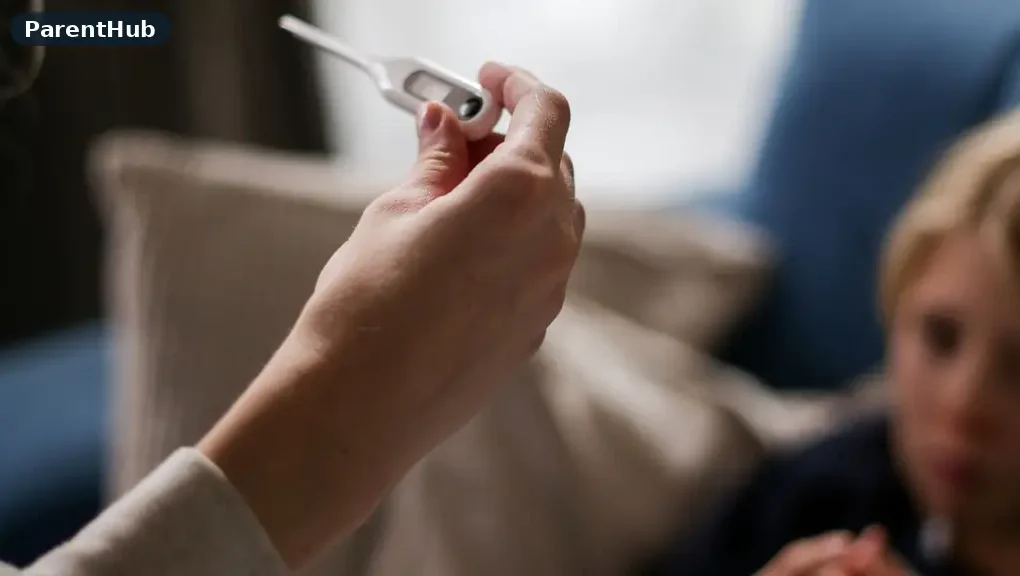
An accurate reading starts with the right thermometer and the right method. A digital thermometer is the safest and most reliable choice for babies. Place the tip under the armpit, hold the arm gently against the body, and wait until the thermometer beeps. Armpit readings are easy and safe, though they can read slightly lower than the true body temperature. Ear thermometers can be used in older babies, but they are less reliable in very young infants.
Rectal temperature is the most accurate method for babies under three months, and many doctors prefer it for this age group. If you use this method, use a digital thermometer made for rectal use, apply a small amount of water-based lubricant, and insert the tip gently. Never use a glass thermometer, and never leave a baby alone with a thermometer in place. If you are unsure how to take a rectal temperature, ask your doctor or nurse to show you.
- Use a digital thermometer, never a glass one
- Place the tip under the armpit and hold the arm still
- Wait for the beep before reading the result
- Take the temperature when your baby is calm and rested
- Write down the reading, the time, and the method used
Feeling the forehead with your hand can tell you that your baby feels warm, but it cannot tell you the exact temperature. If your baby feels warm, take a proper reading before deciding what to do. For a full step by step guide to each method, see our article on how to take your baby temperature safely.
Fever by Age What Parents Should Know
Age matters a great deal when a baby has a fever. Babies under three months have a less developed immune system, and a fever in this age group is always taken seriously. If a baby younger than three months has a rectal temperature of 38 degrees Celsius or higher, call your doctor or seek medical care the same day, even if the baby seems well. Do not give fever medicine to a baby this young without medical advice.
For babies between three and six months, a fever of 38.9 degrees Celsius or higher is a reason to call the doctor, especially if the baby is feeding poorly, seems unusually sleepy, or is irritable and hard to settle. For babies older than six months, a fever alone is less urgent if the baby is alert, drinking fluids, and feeding reasonably well. But a fever that lasts more than two or three days, or that keeps returning, still deserves a call.
These are general guidelines, and your doctor may give different advice based on your baby health and history. If your baby has recently had a vaccination, a mild fever in the first day or two is a common and expected response. Our guide to the baby vaccination schedule explains which reactions are normal after each vaccine and when to seek advice.
Keeping a Feverish Baby Comfortable at Home
Comfort care at home is simple and gentle. Offer feeds often, since a feverish baby loses more fluid than usual and needs extra milk or water to stay hydrated. For a baby under six months, breast milk or formula is the right fluid. For an older baby, small sips of water between feeds can help as well. Watch for wet nappies, since fewer wet nappies than usual can be a sign that your baby needs more fluid.
- Offer milk feeds often to prevent dehydration
- Dress your baby in light, comfortable clothing
- Keep the room cool and well ventilated
- Let your baby rest and sleep as much as needed
- Only give fever medicine if your doctor advises it
Warning Signs That Need Medical Care Quickly
Some signs mean a baby needs medical care without delay, whatever the temperature reading. These include a baby who is very sleepy and hard to wake, a baby who is not feeding or drinking at all, a baby with no wet nappies for many hours, or a baby with laboured or very fast breathing. A rash that does not fade when pressed, a stiff neck, or a seizure are also urgent signs that need immediate care.
Trust your instincts as a parent. If your baby looks or behaves very differently from usual, or if you feel worried in a way you cannot explain, it is right to seek help. Doctors would rather see a baby who turns out to be fine than miss a baby who needs care. If you are worried about your baby, speak with your pediatrician or seek medical advice promptly.
When you call the doctor, have useful details ready. Note the temperature readings and the times you took them, how much your baby has fed and drunk, how many wet nappies there have been, and any other symptoms such as coughing, vomiting, or diarrhoea. This information helps the doctor decide whether your baby needs to be seen and how urgently.
Staying Calm and Knowing When to Call About Baby Fever
A fever in a baby is worrying, but most fevers are part of a common illness that passes in a few days. Check the temperature correctly, watch how your baby is feeding, drinking, and behaving, and keep them comfortable with fluids and rest. Call the doctor promptly for any baby under three months with a fever, for a high or lasting fever in an older baby, and straight away for any of the warning signs in this guide. A calm parent who knows what to watch for is the best help a feverish baby can have.
What temperature counts as a fever in a baby?
A rectal temperature of 38 degrees Celsius or higher counts as a fever in a baby. Armpit readings can read slightly lower, so a reading of 37.5 degrees or higher under the arm may also mean a fever. Always note the method you used when you record the reading.
When should I call the doctor for a baby fever?
Call the doctor the same day for any baby under three months with a fever of 38 degrees Celsius or higher. For older babies, call if the fever is 38.9 degrees or higher, lasts more than two or three days, or your baby is feeding poorly or seems very unwell.
How can I keep a feverish baby comfortable at home?
Offer milk feeds often to prevent dehydration, dress your baby in light clothing, and keep the room cool and comfortable. Let your baby rest as much as they want. Only give fever medicine in the right dose for your baby weight and age when a doctor or pharmacist advises it.
What warning signs need urgent care with a fever?
Seek urgent care if your baby is very sleepy and hard to wake, is not feeding or drinking, has no wet nappies for many hours, or has laboured breathing. A rash that does not fade when pressed, a stiff neck, or a seizure also need immediate medical care.