Taking your baby temperature is a simple skill that every parent needs, because a temperature reading helps you decide whether your baby is unwell and whether to seek medical advice. Babies cannot tell you how they feel, so a clear reading, along with other signs such as feeding, alertness and breathing, gives you useful information. Learning the right method before your baby is ill makes the moment much calmer.
This guide explains how to take your baby temperature safely, which thermometers work best at each age, what counts as a normal temperature, and when a reading means you should call a doctor. It is general information only, not a substitute for medical advice, and if you feel worried about your baby health, speak with your pediatrician promptly.
Choosing the Right Thermometer for Your Baby
A digital thermometer is the safest and most reliable choice for babies, because it gives a clear reading in seconds and does not contain mercury. Rectal thermometers are the most accurate for babies under three months, while armpit thermometers are easier and safer for older babies, though slightly less accurate. Forehead and ear thermometers can be useful for older babies, but they need correct technique and may vary with room temperature.
Avoid mercury glass thermometers, because they can break and mercury is dangerous if it spills. Avoid forehead strips and dummy thermometers, because they are less accurate and can give a false sense of reassurance. Choose a digital thermometer with a flexible tip, a clear display and a beep when the reading is ready, and keep it clean and stored safely between uses.
Keep a separate thermometer for rectal use if you choose that method, and label it clearly so it is never used in the mouth. Wash the thermometer with soap and cool water or an alcohol wipe before and after each use, and check the battery regularly. Our guide to baby fever and when to call the doctor explains fever signs and care in more detail.
How to Take a Rectal Temperature Step by Step
A rectal temperature is the most accurate method for a young baby, and it is recommended for babies under three months when a precise reading matters. Wash your hands, clean the thermometer, and apply a small amount of water based lubricant to the tip. Lay your baby on the back on a firm surface, hold the legs gently toward the chest, and insert the thermometer tip about one to two centimetres into the rectum.
Hold the thermometer steady and keep a hand on your baby at all times, because a sudden movement can cause injury. Wait for the beep, which usually takes 10 to 30 seconds, then remove the thermometer and read the display. Clean the thermometer again, wash your hands, and note the reading with the time and any other symptoms, such as poor feeding or extra sleepiness.
Never force the thermometer if you feel resistance, and stop if your baby seems in pain or if you see blood. If you feel unsure about this method, use the armpit method instead and ask a health professional to show you the rectal method at the next visit. With practice, the method becomes quick and routine, and most babies settle soon after.
Armpit and Forehead Methods for Older Babies
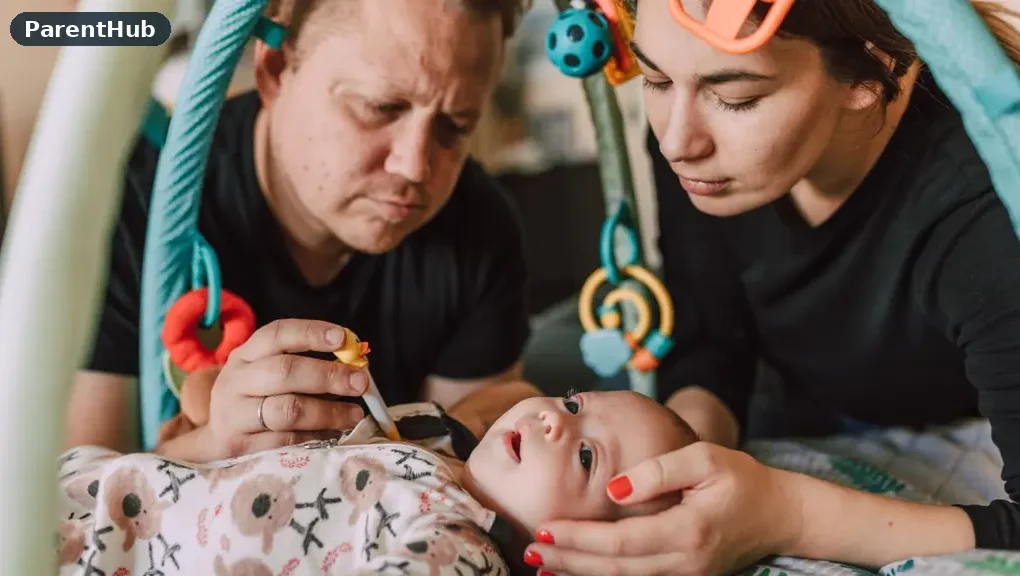
The armpit method is simple and safe for babies over three months, and it works well for a first check when you think your baby may have a fever. Place the thermometer tip in the centre of the dry armpit, hold your baby arm close to the body, and wait for the beep. The reading is usually about half a degree lower than a rectal reading, so add this difference when you compare it with normal ranges.
Forehead thermometers use an infrared sensor to measure temperature from the temporal artery, and they are quick and non invasive. Follow the instructions for your device exactly, because the position and movement of the sensor affect the reading. Wipe away sweat first, hold the thermometer flat against the forehead, and take the reading in a room that is not too hot or cold.
Ear thermometers can be used for babies over six months, but they need the ear canal to be clear and the probe to be positioned correctly. If your baby has an ear infection or a lot of earwax, the reading may be less accurate. For any method, take the reading twice if the first result seems unexpected, and use the method you find most reliable for your baby.
- Use a digital thermometer with a flexible tip
- Clean the thermometer before and after each use
- Keep a separate thermometer for rectal use
- Note the reading, time and other symptoms
Understanding Normal Temperature Ranges
A normal body temperature for a baby is usually between 36.5 and 37.5 degrees Celsius when measured rectally, with slight variation through the day. Temperature is often lower in the morning and higher in the late afternoon and evening, and it can rise after feeding, crying or being wrapped in too many layers. A single reading is less useful than a pattern, so note the time, the method and how your baby looks and behaves.
A fever is generally defined as a rectal temperature of 38 degrees Celsius or higher, or an armpit temperature of 37.5 degrees or higher, though the exact threshold can vary by health guidance. A fever itself is a sign that the body is fighting an infection, and the number alone does not tell you how serious the illness is. How your baby looks, feeds and responds matters as much as the reading.
Undress your baby to a light layer if they feel hot, offer extra milk feeds, and keep the room comfortable. Do not use cold baths, ice or alcohol rubs to bring a fever down, because these can cause shivering and discomfort. If you give medicine for fever, follow your doctor advice on the correct medicine, dose and timing for your baby age and weight.
When to Call a Doctor About a Temperature
Call a doctor promptly if your baby is under three months and has a rectal temperature of 38 degrees Celsius or higher, because young babies need urgent assessment for fever. Also seek help if your baby has a fever that lasts more than 24 to 48 hours, a temperature above 39 degrees, a rash, difficulty breathing, vomiting, diarrhoea, poor feeding, unusual sleepiness or a seizure. Trust your instincts, because you know your baby behaviour best.
Seek medical care the same day if your baby has a fever after a vaccination that lasts more than two days, if the fever returns after improving, or if your baby seems much less responsive than usual. Bring a note of temperature readings, feeding times, nappy output and any medicines given, because this information helps the doctor assess your baby quickly.
If you feel worried about your baby after taking a temperature, speak with your pediatrician or call your local health service for advice, even if the reading seems normal. A parent concern is a valid reason to seek help, and early advice can prevent a small problem from becoming serious. Our guide to baby teething symptoms and gentle relief can help you tell the difference between teething discomfort and a fever that needs care.
Taking Your Baby Temperature With Confidence
Taking a temperature is a small skill that brings real peace of mind. Choose a digital thermometer, use the right method for your baby age, clean the device each time, and note the reading with the time and other signs. With practice, you will feel confident taking a reading, understanding what it means, and knowing when to call your doctor for advice.
What is a normal temperature for a baby?
A normal rectal temperature for a baby is usually between 36.5 and 37.5 degrees Celsius. Temperature varies a little through the day, and armpit readings are usually about half a degree lower than rectal readings.
Which thermometer is best for a newborn baby?
A digital thermometer is the best choice for a newborn, and a rectal reading is the most accurate for babies under three months. For older babies, an armpit thermometer is easier and safer for regular checks.
How often should I check a baby temperature?
Check your baby temperature when they feel hot, seem unwell, feed poorly or behave differently than usual. There is no need to check a healthy baby temperature every day, and a single reading is less useful than a pattern over time.
When should I worry about a baby fever?
Seek help promptly if your baby is under three months with a fever, if the fever lasts more than two days, or if your baby has a rash, breathing difficulty, poor feeding or unusual sleepiness. If you feel worried, speak with your pediatrician promptly.