Starting solid foods is an exciting milestone, because your baby begins to explore new tastes, textures and colours. Solids do not replace milk in the first year, but they add nutrients, especially iron, and help your baby learn how to chew, swallow and feed themselves. A slow and relaxed start helps your baby enjoy food and builds healthy eating habits for later life.
This guide explains when to start solids, which foods to offer first, how to move from smooth purees to finger foods, and how to handle common worries such as allergies, gagging and messy meals. You will also learn how to keep mealtimes safe and happy, so food becomes a source of pleasure rather than stress for your whole family.
When Is Your Baby Ready for Solids
Most babies are ready for solids at around six months, when they can sit with support, hold the head steady, show interest in food and lose the tongue thrust reflex that pushes food out of the mouth. These signs matter more than age alone, because some babies are ready a little earlier and others a little later. Starting before four months is not recommended, because the digestive system and swallowing skills are still developing.
Watch for readiness signs during family meals, because your baby may watch you eat, reach for food, open the mouth when a spoon comes near, or show excitement at the sight of food. If your baby turns away, closes the mouth or cries, wait a few days and try again, because pressure to eat can make mealtimes stressful. Our guide to signs your baby is ready for solids explains each readiness sign in detail.
Talk with your doctor before starting solids if your baby was born early, has feeding difficulties or a health condition. Keep offering milk feeds as usual, because milk remains the main source of nutrition until twelve months. Solids are a complement to milk at first, not a replacement, and the amount eaten in the early weeks is often very small.
First Foods to Offer Your Baby
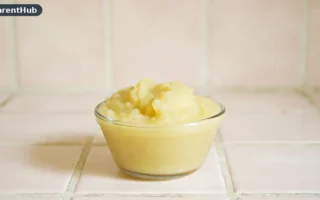
Good first foods are soft, smooth and easy to digest, such as pureed vegetables, fruits, baby rice or iron fortified cereals mixed with milk. Cooked sweet potato, carrot, pumpkin, banana, avocado, apple and pear are popular first choices, because they are naturally sweet, soft and rich in nutrients. Offer one new food at a time for two to three days, so you can watch for any reaction.
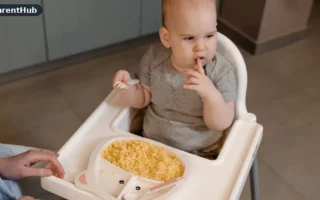
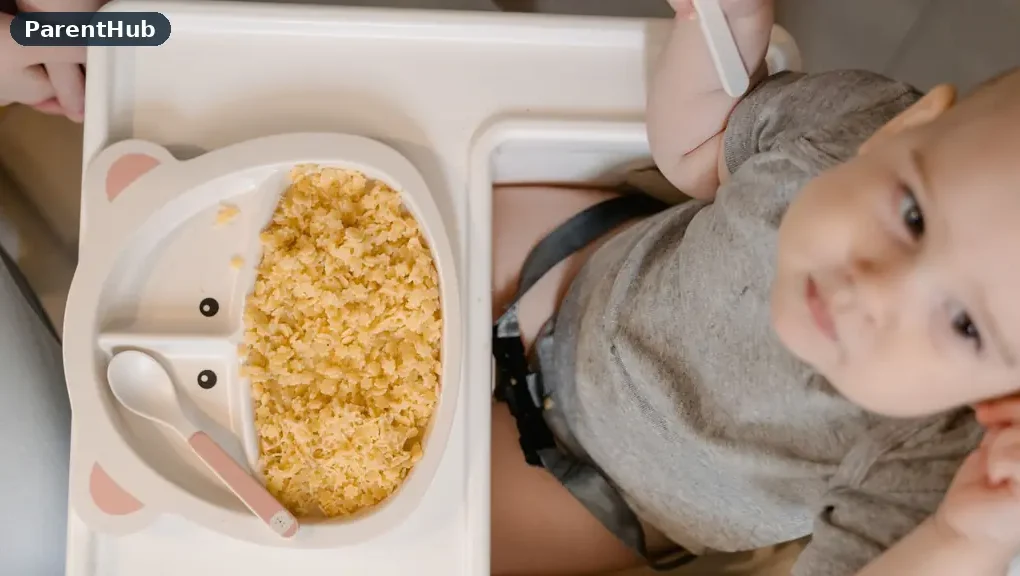
Start with a small amount, about one or two teaspoons, once a day, and increase gradually as your baby shows interest. Offer solids when your baby is alert and a little hungry, but not very hungry or tired, because a calm baby is more willing to try new tastes. Sit your baby upright in a high chair, use a small soft spoon, and let your baby touch and explore the food with their hands.
Iron rich foods become important from six months, because the iron stores from birth begin to run low. Our guide to best first foods for your baby lists iron rich options such as pureed meat, lentils, beans and iron fortified cereals. Pair iron rich foods with vitamin C rich fruits and vegetables, because vitamin C helps the body absorb iron more effectively.
Moving From Purees to Finger Foods
As your baby grows, move from smooth purees to thicker textures, mashed foods and soft lumps by seven to eight months. This helps your baby learn to chew and manage different textures, and it supports speech development too. Offer soft finger foods such as cooked carrot sticks, banana pieces, avocado slices, soft toast fingers and well cooked pasta shapes that your baby can hold and bite.
By nine to twelve months, most babies can eat chopped family foods, with a variety of flavours and textures at each meal. Offer three meals a day plus one or two snacks, and let your baby join family mealtimes when possible. Keep pieces small and soft, avoid hard foods that can cause choking, and always stay with your baby while they eat.
Gagging is common when babies learn to eat solids, and it is different from choking. Gagging is a noisy reflex that pushes food forward, while choking is silent and needs immediate help. Learn the difference before starting solids, and take a first aid course if you can, so you feel prepared. If your baby gags often, offer smaller pieces and softer textures for a while.
- Start with smooth purees at six months
- Move to mashed foods by seven to eight months
- Offer soft finger foods your baby can hold
- Join family meals by nine to twelve months
Introducing Allergens and New Flavours
Common allergens such as egg, peanut, fish, wheat, dairy and soy can be introduced from around six months, once your baby has tried a few basic foods. Offer a small amount of one allergen at a time, in the morning or early afternoon, so you can watch for a reaction during the day. If there is no reaction, offer the same food again within a few days, because regular exposure helps build tolerance.
Signs of an allergic reaction include a rash, swelling of the lips or face, vomiting, diarrhoea or difficulty breathing. Most reactions are mild, but seek medical help promptly if your baby has swelling, breathing difficulty or a widespread rash. If your baby has severe eczema or a known food allergy in the family, talk with your doctor before introducing allergens, because the timing may need to be planned carefully.
Offer a wide variety of flavours in the first year, including bitter vegetables, herbs and mild spices, because early exposure helps your baby accept different tastes later. Do not add salt or sugar to baby food, and avoid honey before twelve months. Keep mealtimes relaxed, offer foods several times before deciding your baby dislikes them, because it can take ten or more tries to accept a new taste.
Making Mealtimes Safe and Enjoyable
Safety is the first rule at every meal. Always sit your baby upright in a high chair, stay close while they eat, and cut foods into safe shapes and sizes. Avoid whole grapes, whole nuts, popcorn, hard raw vegetables and large chunks of meat, because these can cause choking. Teach older siblings not to share their food with the baby, and keep small objects away from the eating area.
Make mealtimes enjoyable by eating together, talking about food, and letting your baby explore with hands and a spoon. Expect mess, because messy eating is how babies learn about texture and feeding themselves. Use a bib, a splash mat and easy to clean clothes, and keep a damp cloth nearby for a quick wipe after the meal.
Follow your baby lead on how much to eat, because appetite varies from day to day and meal to meal. Never force a baby to finish a portion, and avoid using food as a reward or punishment. A relaxed and predictable mealtime routine, with regular meal times and a calm table, helps your baby build a healthy relationship with food that lasts for years.
Helping Your Baby Enjoy Food From the First Spoon
Starting solids is a gradual journey, not a single event. Begin with simple tastes at six months, build textures slowly, introduce allergens carefully, and keep mealtimes safe and relaxed. Follow your baby cues, offer a variety of foods, and celebrate the messy, joyful learning that comes with every meal. With patience and a little planning, your baby can grow into a confident and happy eater.
When should I start giving a baby solid foods?
Most babies are ready for solids at around six months, when they can sit with support, hold the head steady and show interest in food. Starting before four months is not recommended, and milk remains the main food until twelve months.
What are the best first foods for babies?
Good first foods include pureed sweet potato, carrot, pumpkin, banana, avocado, apple, pear and iron fortified cereals. Offer one new food at a time, in small amounts, and watch for any reaction over two to three days.
How do I introduce allergens safely?
Offer a small amount of one allergen at a time, in the morning, once your baby has tried basic foods. Watch for a reaction during the day, and offer the same food again within a few days if there is no reaction.
What should I do if a baby refuses solid foods?
Refusal is common in the early weeks, and it does not mean your baby will never like the food. Wait a few days, try a different food or texture, and offer the refused food again later, because it can take many tries to accept a new taste.