Teething is a normal stage in baby development, and it usually begins between four and seven months, although some babies start earlier or later. A first tooth often appears on the lower front gum, followed by the upper front teeth, then the teeth at the sides and back. Each baby follows a slightly different timetable, and a later start is not usually a cause for worry on its own.
Parents often wonder whether fussiness, drooling, or broken sleep is caused by teething or by something else. The signs can overlap with other common issues, such as a cold, a growth spurt, or a change in routine. Knowing the usual symptoms, and knowing what is not typical for teething, helps parents respond with calm and gentle care.
Common Signs That a Baby Is Teething
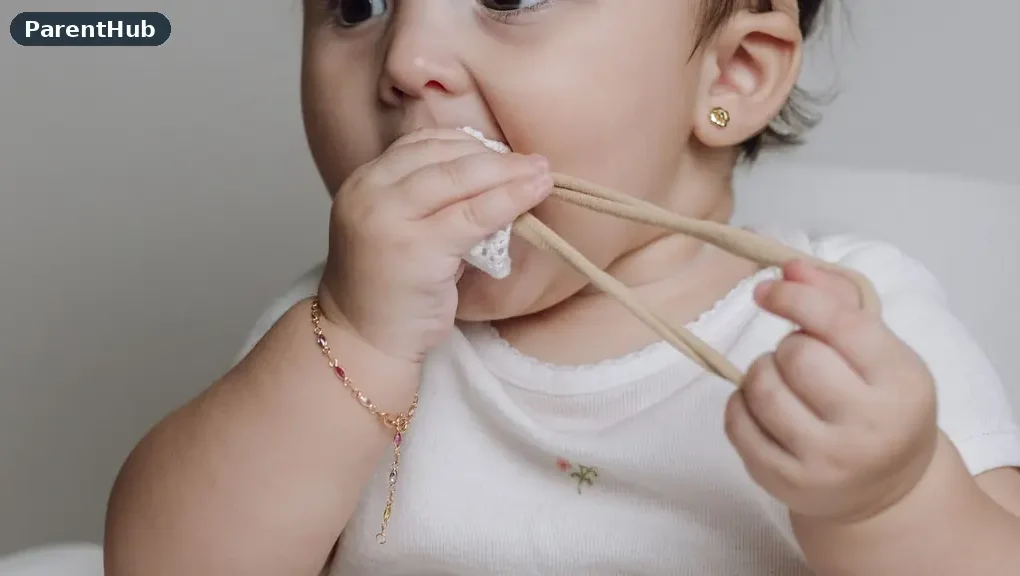
Extra drooling is one of the earliest signs, and it can lead to a mild rash on the chin and cheeks if the skin stays wet. Many babies chew on their fingers, toys, or a clean cloth, and they may rub their ears or cheeks. The gums can look swollen or slightly red where a tooth is about to break through, and a small white edge may become visible under the gum.
Some babies become more fussy or clingy, feed a little less, or wake more often at night while a tooth is moving. Appetite can change for a few days, and a baby may prefer cool foods or a cold teething ring. These changes are usually mild and pass once the tooth has broken through the gum.
A slight rise in temperature can occur, but teething does not usually cause a high fever. If a baby has a fever above 38 degrees, diarrhoea, vomiting, a rash over the body, or seems very unwell, speak with a pediatrician, because these signs are more likely to be caused by illness than by teething alone.
- Extra drooling and chin rash
- Chewing fingers, toys, or cloths
- Swollen or red gums
- More fussiness or clinginess
- Broken sleep for a few nights
Parents sometimes worry when a tooth appears with a small blue bump on the gum, known as an eruption cyst. This is usually harmless and goes away on its own once the tooth breaks through. A cool teething ring and gentle comfort are enough in most cases, and the gum should be checked if the bump becomes very large, painful, or does not improve after a few days.
When Baby Teeth Usually Appear in Order
Most babies get their lower central incisors first, around six months, followed by the upper central incisors. The upper and lower lateral incisors often appear between nine and twelve months, and the first molars usually arrive between twelve and sixteen months. Canines and second molars follow later, and most children have twenty baby teeth by around two and a half to three years.
The order and timing can vary a lot between babies, and a tooth that appears a few months early or late is usually still normal. Genetics, birth weight, and general health can all play a small part. A health visitor or dentist can offer reassurance if a baby has no teeth by twelve months, but this alone rarely means there is a problem.
Keeping a simple note of when each tooth appears can help at dental visits and make it easier to spot patterns. Parents do not need to count teeth every day, and comparing one baby with another is rarely helpful, because development moves at a different pace for every child.
Gentle Ways to Soothe Sore Gums at Home
A clean teething ring, chilled in the fridge but not frozen, can give gentle pressure and cool relief. A frozen ring can be too hard and too cold for tender gums, so a chilled ring is the safer choice. A clean, damp cloth, twisted and chilled, can also work well, and many babies enjoy chewing on the cool fabric.
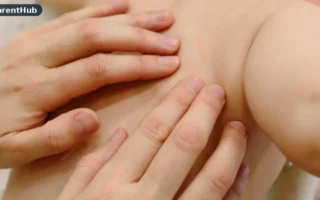
Gum massage with a clean finger is another simple option. Wash hands first, then rub the gum gently with a fingertip for a minute or two. The pressure can ease discomfort, and the close contact often calms a fussy baby. Extra cuddles, a calm voice, and a familiar routine also help during a sore few days.
- Offer a chilled teething ring from the fridge
- Try a clean damp cloth for chewing
- Massage gums gently with a clean finger
- Keep the chin dry to prevent rash
- Give extra comfort and cuddles
Foods and Drinks That Help During Teething
For babies who have started solids, cool soft foods can feel soothing on sore gums. Chilled yoghurt, cold fruit puree, or a cool spoon can be offered in small amounts. Older babies may enjoy a hard teething biscuit or a piece of cold cucumber under close supervision, but hard foods should never be given without an adult watching.
Breast milk or formula remains the main source of nutrition during the first year, and a baby who feeds less for a day or two can be offered smaller and more frequent feeds. Keep the baby hydrated, and watch for wet diapers as a simple sign that fluid intake is enough. The guide to the best first foods for babies has ideas for soft and safe foods at each stage.
Avoid giving honey, sugary drinks, or sweetened teething gels, and avoid home remedies that have not been checked with a health professional. Some gels and powders sold for teething are not recommended for young babies, so check the label and ask a pharmacist or pediatrician before using any product.
For older babies, a small amount of water in a cup with meals can help rinse the mouth and support healthy teeth. Avoid sugary snacks and sticky dried fruit between meals, because sugar that stays on the teeth for a long time increases the risk of decay. Fresh fruit, plain yoghurt, and cheese are kinder choices for teeth, and they also provide useful nutrients for growth.
Keeping Teeth Clean From the Very First Tooth
Dental care starts as soon as the first tooth appears. Wipe the tooth gently with a clean damp cloth or a soft baby toothbrush, twice a day. A tiny smear of fluoride toothpaste can be used once a dentist or health professional advises it, and the amount should stay very small for a young child.
Avoid letting a baby fall asleep with a bottle of milk or juice, because liquid can pool around the teeth and increase the risk of decay. Water is the safest drink at bedtime once the baby is old enough. The guide to common baby rashes also explains how to care for drool rash on the chin and cheeks during teething.
Book a first dental visit by the first birthday, or sooner if there are concerns about the teeth or gums. A dentist can check development, give advice on brushing, and answer questions about fluoride and diet. Early visits also help a child feel comfortable in a dental setting later on.
A teething diary, with a note of the date, the symptoms, and what helped, can be useful for parents who want to spot patterns. Some babies are unsettled for only a day before a tooth appears, while others are fussy for a week. Knowing the usual pattern for a particular baby makes the next tooth easier to handle, because parents know what to expect and what brings comfort.
Supporting Your Baby Through Teething With Calm Care
Teething brings sore gums, extra drooling, and a few unsettled nights, but it is a normal and temporary stage. Gentle relief, cool teething rings, gum massage, and extra comfort are usually enough, and most babies settle once the tooth breaks through. If parents are worried about fever, feeding, or the baby seems unwell, they should speak with their pediatrician for advice and reassurance.
What age do babies usually start teething?
Most babies start teething between four and seven months. The first tooth is often a lower front tooth, and timing varies a lot between babies.
Does teething cause a high fever?
Teething does not usually cause a high fever. A temperature above 38 degrees, diarrhoea, or vomiting is more likely to be illness, so seek medical advice.
What is the safest way to soothe sore gums?
A chilled teething ring, a clean damp cloth, and gentle gum massage with a clean finger are safe options. Avoid frozen rings and untested teething gels.
When should a baby see a dentist for the first time?
Book a first dental visit by the first birthday. Clean the first tooth twice a day and ask the dentist about fluoride toothpaste and brushing.