
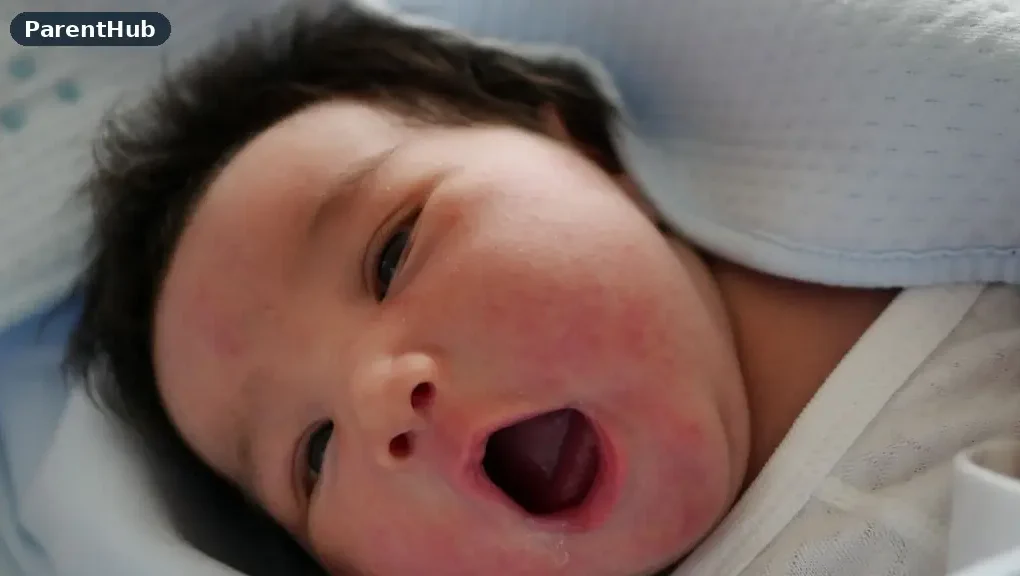
Newborn hiccups can surprise new parents, especially when they start during a feed or wake a sleeping baby. The small, rhythmic jerks look uncomfortable, yet most newborns seem unbothered by them. Hiccups are one of the most common reflexes in early life, and they usually pass on their own within a few minutes. Understanding why they happen takes much of the worry away.
A hiccup starts when the diaphragm, the thin muscle below the lungs, contracts suddenly. That quick movement pulls air in fast, and the vocal cords close, which makes the familiar hic sound. In newborns, the diaphragm is still learning to work smoothly, so hiccups appear often. They are a normal part of development and rarely signal a problem.
Why Newborns Get Hiccups So Often
A newborn nervous system is still maturing, and the signals that control the diaphragm can misfire easily. Feeding, excitement, or a sudden change in temperature can set off a round of hiccups. Many babies hiccup several times a day, and some even hiccup before birth. Parents often notice the pattern in the womb during the later months of pregnancy.
The diaphragm sits close to the stomach, so anything that presses on the stomach can trigger it. A full tummy after a feed, a bubble of swallowed air, or a sudden stretch can all play a part. Because a newborn stomach is tiny, even a normal feed can create enough pressure to start hiccups. This is why hiccups so often follow meals.
Hiccups also tend to appear when a baby is overtired or overstimulated. A busy room, bright lights, or a long stretch of crying can excite the nervous system. In these moments, hiccups are simply a sign that the baby needs a calmer setting. A quiet room and a gentle hold often help the body settle.
Feeding and Hiccups What Parents Should Know
Feeding is the most common trigger for newborn hiccups. Babies swallow air along with milk, and that air collects in the stomach and presses on the diaphragm. A fast flow of milk, a hungry baby gulping quickly, or a bottle nipple that lets milk through too fast can all increase swallowed air. Slowing the feed down often reduces hiccups.
A calm, unhurried feed gives the baby time to swallow at a steady pace. Holding the baby in a semi upright position helps milk settle and lets air rise more easily. Short pauses during the feed also help, especially if the baby is drinking quickly. A quick review of breastfeeding basics for new mothers can also help with latch and milk flow, and these small changes can make a real difference over the course of a day.
- Keep the baby semi upright during feeds so air rises more easily
- Pause every few minutes to let the baby rest and swallow slowly
- Check that the bottle nipple flow matches the baby age and pace
- Offer smaller, more frequent feeds if large feeds bring hiccups
- Watch for gulping or coughing, which can mean the flow is too fast
Simple Ways to Ease Newborn Hiccups
Most of the time, the best response to hiccups is patience. They usually stop on their own within a few minutes, and the baby is rarely in pain. Gentle movement, such as rocking or walking slowly around the room, can soothe the baby while the hiccups run their course. A calm parent helps the baby stay calm too.
Burping is one of the most useful steps when hiccups follow a feed. A gentle pat on the back can release trapped air and ease the pressure on the diaphragm. Some parents find that a short upright hold after feeding works just as well. A guide to burping the baby the right way explains each position in more detail, and the goal is comfort, not forcing a burp, so a soft touch is enough.
Offering a small feed can also help, because swallowing relaxes the diaphragm in a rhythmic way. This works best when the baby is due for a feed anyway. A pacifier can have a similar effect, since the sucking motion steadies breathing. Neither option should be forced if the baby is not interested.
Burping Positions That Help With Hiccups
The over the shoulder hold is a classic choice. Rest the baby high on the shoulder with the tummy pressed gently against the chest, then pat or rub the back in slow circles. The upright position lets air move upward, and the gentle pressure on the tummy can help a burp along. Many babies settle quickly in this hold.
Sitting the baby upright on a lap is another good option. Support the chest and head with one hand while leaning the baby slightly forward, then pat the back with the other hand. This position works well for babies who dislike lying across a lap. A burp cloth over the shoulder or lap keeps things tidy.
The across the lap hold suits some babies best. Lay the baby face down across the knees with the head slightly higher than the chest, then rub the back gently. This position puts mild pressure on the tummy, which can help trapped air escape. Try each position for a minute or two and see which one the baby prefers.
When Hiccups Last Longer Than Usual
Hiccups that last more than a few minutes are still usually harmless. Some rounds continue for ten or fifteen minutes before fading away. If the baby is feeding well, sleeping normally, and gaining weight, long hiccups are generally nothing to worry about. The diaphragm simply needs more time to settle.
There are a few signs worth watching for. Hiccups that appear with vomiting, poor feeding, or unusual fussiness deserve a closer look. The same applies if hiccups seem to disturb sleep night after night. A pattern like this is worth mentioning at the next checkup so a pediatrician can review it in context.
- Note how often hiccups happen and how long each round lasts
- Watch whether feeds, sleep, and weight gain stay on track
- Mention frequent or very long hiccups at the next checkup
- Speak with a pediatrician promptly if hiccups come with vomiting or poor feeding
Hiccups and Sleep What to Expect at Night
Hiccups at night can worry parents, especially when they wake a sleeping baby. A round of hiccups during the night is usually harmless, and many babies sleep straight through them without waking. The diaphragm contracts in the same way day or night, and the sound is often louder in a quiet room than it really is. Parents who hear hiccups on the monitor can usually wait a few minutes before checking.
If the baby does wake with hiccups, a calm response works best. Keep the lights low, offer a gentle hold, and wait for the rhythm to fade. A short upright hold or a soft pat on the back may help, but most rounds pass on their own within minutes. Avoid waking the baby fully with bright lights or loud talking, since that makes settling back to sleep much harder.
Night hiccups become less common as the baby grows and feeding becomes smoother. A dream feed given slowly, with pauses for burping, can reduce the air that triggers them. Over time, parents learn that a few hiccups in the night are simply part of newborn life, and they stop rushing to the crib at the first sound. A baby monitor with a low volume setting helps parents rest too.
Helping Hiccups Fade With Calm and Patience
Hiccups are a normal part of newborn life, and they become less frequent as the baby grows. The diaphragm matures, feeding becomes smoother, and the nervous system steadies. Until then, slow feeds, gentle burping, and a calm room are the most useful tools a parent has. Most rounds pass in minutes, and the baby moves on without a second thought. With time, parents learn the pattern and stop worrying, which makes the whole experience easier for everyone.
Are newborn hiccups normal?
Yes, hiccups are very common in newborns and usually harmless. The diaphragm is still maturing, so it contracts easily after feeds or excitement. Most rounds stop on their own within a few minutes.
What causes hiccups in newborns?
Hiccups usually start when swallowed air or a full stomach presses on the diaphragm. Fast feeding, gulping, and sudden temperature changes can also trigger them. The reflex is a normal part of early development.
How can I stop my newborn hiccups?
Try burping the baby gently, holding the baby upright for a few minutes, or offering a small feed. A pacifier can also help because sucking steadies the diaphragm. Most hiccups fade on their own without any action.
When should I worry about newborn hiccups?
Hiccups are rarely a concern when the baby feeds well and gains weight normally. Speak with a pediatrician if hiccups come with vomiting, poor feeding, or constant fussiness, or if they regularly disturb sleep.