Starting first foods is an exciting step, and it usually begins around six months, when a baby can sit with support, hold the head steady, and show interest in food. Milk remains the main source of nutrition in the first year, so first foods are about learning flavours, textures, and the skill of eating. There is no single perfect first food, and a calm, patient approach works better than a strict plan.
Good first foods are soft, easy to swallow, and rich in nutrients. Vegetables, fruits, iron rich foods, and soft proteins all have a place in the early weeks. Offer one new food at a time, in a small amount, and watch how the baby responds. Some foods will be loved at once, others will be refused several times before they are accepted, and both reactions are normal.
When a Baby Is Ready for First Foods
Readiness signs matter more than the calendar alone. A baby who is ready can sit up with support, hold the head up steadily, and reach for food or open the mouth when food is offered. The tongue thrust reflex, which pushes food out of the mouth, should have faded. If food is pushed out with every spoonful, the baby may need a little more time before trying again.
Interest in food is another useful sign. A baby who watches others eat, reaches for a cup, or leans toward a spoon is showing curiosity. Hunger alone is not a sign of readiness, because milk still meets hunger in the early months. Most health guidance suggests starting around six months, and starting much earlier is not needed. The readiness signs are explained further in the guide to signs a baby is ready for solids.
- Sits with support and holds the head steady.
- Reaches for food and opens the mouth for a spoon.
- Tongue thrust reflex has faded so food stays in the mouth.
- Shows interest by watching others eat at mealtimes.
- Usually around six months, though every baby differs slightly.
Best Vegetables and Fruits to Start With
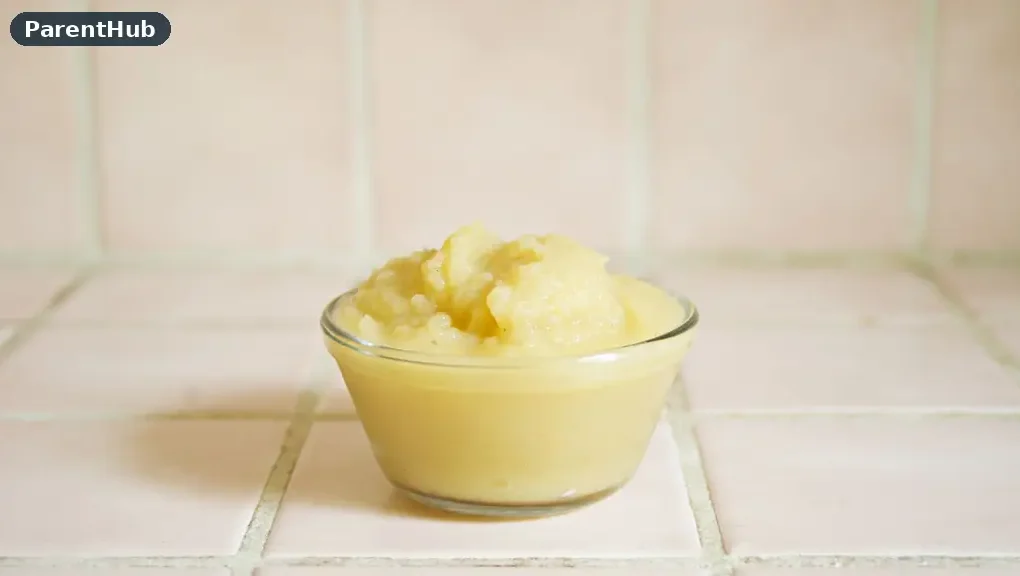
Soft cooked vegetables make excellent first foods. Sweet potato, carrot, pumpkin, and broccoli can be steamed until very soft, then mashed or blended to a smooth texture. A little of the cooking water or breast milk can thin the puree to the right consistency. Offer one vegetable at a time for a few days, so the baby can learn its flavour and any reaction is easy to spot.
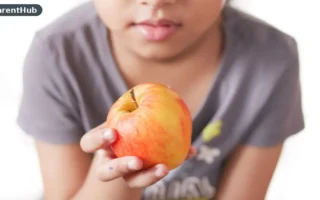
Fruits also work well as early foods. Banana can be mashed with a fork, avocado can be served as soft strips or mashed, and cooked apple or pear can be blended until smooth. Ripe fruit is naturally sweet, so it is often accepted quickly. Mix fruit with vegetables sometimes, such as apple with carrot, to build a wider range of flavours from the start.
Texture can change gradually as the baby grows more confident. Start with a smooth puree, then move to a thicker mash with small soft lumps, then to soft finger foods that the baby can hold. This slow change helps the baby learn to chew and move food around the mouth. Gagging is common when new textures appear, and it is different from choking, although parents should always stay close during meals.
Iron Rich First Foods That Support Growth
Iron becomes important around six months, because the iron stored before birth begins to run low. Iron rich foods include well cooked meat, lentils, beans, and iron fortified cereals. Meat can be cooked until very tender and blended or finely minced, while lentils can be cooked until soft and mashed. A small amount at one meal a day is a good start.
Vitamin C helps the body absorb iron, so pairing foods is useful. A little cooked broccoli or a spoonful of mashed fruit alongside lentils or meat can improve absorption. Dairy foods can reduce iron absorption if given in large amounts at the same meal, so keep the focus on the iron rich food first. A varied diet across the week covers iron needs better than any single food.
- Offer iron rich foods such as meat, lentils, and beans regularly.
- Pair iron foods with vitamin C rich fruit or vegetables.
- Start with a small amount once a day and build up slowly.
- Use iron fortified cereals as a simple breakfast option.
- Keep offering a variety across the week rather than one food only.
Introducing Allergens and New Flavours Safely
Common allergens such as egg, peanut, and fish can be introduced in the first year, in age appropriate forms. Peanut should be given as smooth peanut butter thinned with water or milk, never as whole nuts. Egg should be well cooked, and fish should be soft and free of bones. Introduce one allergen at a time, in a small amount, and watch for a reaction over the next few hours.
Early introduction of allergens may help reduce the chance of allergy, but the approach should be discussed with a health professional if there is a family history of allergy or the baby has severe eczema. Signs of a reaction include hives, swelling of the lips or face, vomiting, or breathing difficulty. If any of these appear, seek medical help at once. Keep a simple note of new foods and the date they were first tried.
Flavour variety matters as much as nutrition. Offer bitter, sour, and savoury tastes alongside sweet ones, and repeat foods that are refused. A baby may need to taste a food ten or more times before accepting it, so a refusal on day one is not a final answer. The guide to introducing solid foods to a baby covers the first weeks in more detail, including portion sizes and mealtime routines.
Foods to Avoid in the First Year
Some foods should be avoided in the first year because they carry a choking risk or are not safe for babies. Whole nuts, whole grapes, raw carrot sticks, and popcorn can block the airway, so they should not be offered. Honey should be avoided before twelve months because of a rare but serious risk of infant botulism. Salt and sugar should not be added to baby food, because young kidneys and developing taste preferences do not need them.
Cows milk as a main drink should wait until after twelve months, although small amounts in cooking are usually fine. Unpasteurised milk and soft cheeses made from unpasteurised milk should also be avoided. Always cut round foods into small pieces, stay with the baby during meals, and keep the baby upright in a high chair. A calm mealtime with the baby seated safely is the best setting for learning to eat.
- Avoid honey before twelve months of age.
- Do not offer whole nuts, whole grapes, or popcorn.
- Skip added salt and sugar in baby food.
- Cut round foods into small pieces before serving.
- Always supervise meals with the baby sitting upright.
Enjoying First Foods Together as a Family
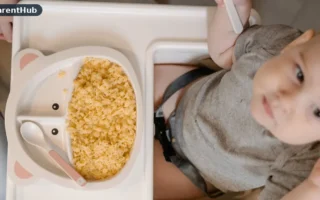
First foods work best when they are part of family mealtimes. Sit the baby in a high chair at the table, offer a small portion from a shared meal where suitable, and let the baby explore with hands as well as a spoon. Mess is part of learning, and a relaxed parent makes a relaxed eater. Over weeks and months, the range of foods grows, textures become more varied, and the baby moves steadily toward joining family meals.
What is the best first food for a baby?
Soft cooked vegetables such as sweet potato and carrot, mashed banana, avocado, and iron rich foods like lentils are all good first foods. There is no single best choice. Offer one food at a time and watch how the baby responds.
How much food should a six month old eat?
Start with one or two teaspoons once a day and build up slowly. Milk remains the main nutrition in the first year. Let the baby set the pace and stop when interest fades or the mouth stays closed.
When can a baby try peanut and egg?
Peanut and egg can be introduced in the first year in safe forms, such as smooth peanut butter thinned with milk and well cooked egg. Introduce one allergen at a time and watch for a reaction. Ask a health professional if allergy runs in the family.
What foods should babies avoid before twelve months?
Avoid honey, whole nuts, whole grapes, popcorn, and added salt and sugar. Cows milk as a main drink should wait until after twelve months. Always cut round foods small and supervise every meal.