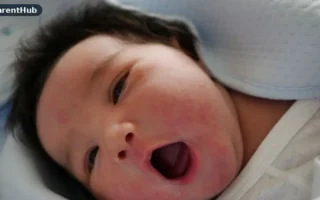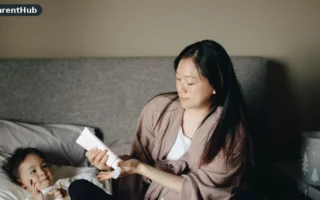
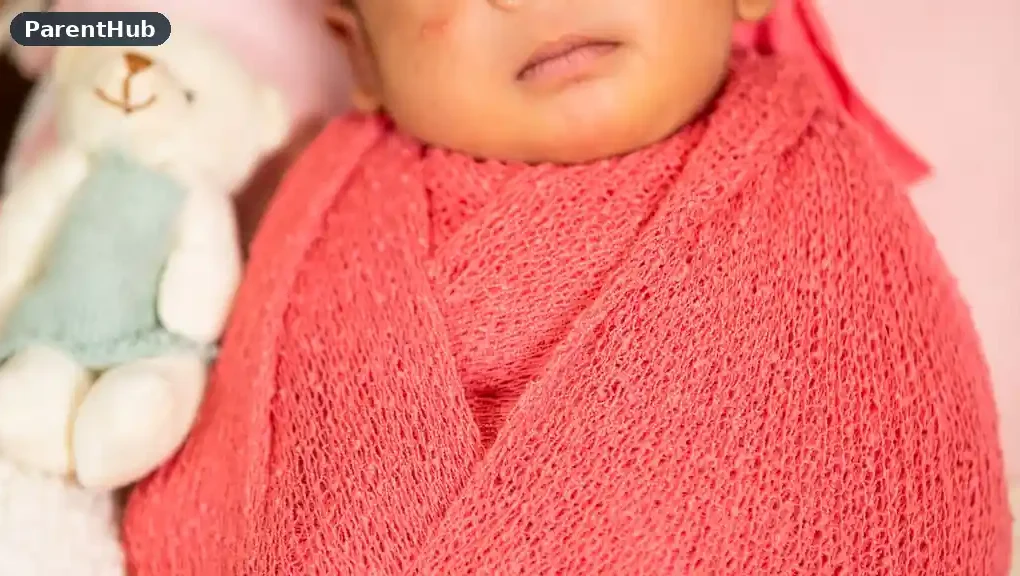
Swaddling is the practice of wrapping a baby snugly in a light blanket, and it can help a newborn feel calm and settled. The gentle pressure reminds the baby of the close space before birth, and it can reduce the startle reflex that wakes babies with a sudden jerk of the arms. Many parents find that a well wrapped baby settles more easily for sleep, especially in the first weeks.
Safe swaddling is about balance. The wrap should feel snug around the chest and arms, but loose around the hips and legs, and the baby should never overheat. A swaddle that is too tight, too thick, or used for too long can cause problems. This guide explains the technique step by step, the safety rules to follow, and the signs that it is time to stop.
Why Swaddling Helps Newborns Settle
Newborns are used to a small, warm space, and the open space of a cot can feel strange at first. A light wrap gives gentle, even pressure that can calm the nervous system and reduce crying. It also keeps the arms close to the body, which limits the startle reflex. That reflex is normal, but it often wakes a sleeping baby, and swaddling can help the baby stay asleep for longer stretches.
Swaddling also gives parents a clear settling routine. The same wrapping steps, in the same order, signal that sleep is coming. Over time the baby learns to link the wrap with rest. Swaddling is a tool rather than a rule, and some babies prefer to sleep unwrapped. If a baby fights the wrap every time, sleeps well without it, or seems happier with arms free, there is no need to insist.
- Reduces the startle reflex that can wake a sleeping baby.
- Offers gentle pressure that many newborns find calming.
- Creates a clear sleep cue when used as part of a routine.
- Helps some babies settle faster after a feed or nappy change.
- Works best in the first weeks, when the startle reflex is strongest.
Choosing a Safe Swaddle Blanket or Wrap
The right blanket makes safe swaddling much easier. Choose a light, breathable fabric such as cotton or muslin, large enough to wrap around the baby with enough overlap to stay in place. Avoid heavy blankets, fleece, or thick quilts, because they trap heat. In warm weather, a single thin layer is usually enough, and the baby may need only a nappy and a light vest underneath.
Ready made swaddle wraps with velcro or zips can help parents who find blanket folding tricky. They come in sizes, so choose the size that matches the baby’s weight rather than age. Check that the wrap allows the hips to move and the legs to bend, and that it does not cover the face. Replace any wrap with broken fastenings, loose threads, or stretched fabric that no longer holds its shape.
Whatever wrap is used, keep the sleep surface firm and flat, with no loose bedding, pillows, or soft toys in the cot. The baby should always be placed on the back to sleep, whether swaddled or not. These safe sleep rules are explained in the guide to safe sleep rules every parent should follow, and they apply at every sleep, day or night.
How to Swaddle Step by Step
Lay the blanket flat in a diamond shape and fold the top corner down to make a straight edge. Place the baby on the blanket with the shoulders just below that folded edge, so the fabric sits below the neck and never near the face. Bring one side of the blanket across the body and tuck it snugly under the opposite side, keeping the arm inside the wrap if the baby settles better that way.
Bring the bottom of the blanket up over the feet and tuck it loosely, leaving plenty of room for the legs to bend and move. Then bring the other side across and tuck it under the baby. The wrap should feel firm around the chest but allow two fingers to fit between the blanket and the chest. The hips and legs should move freely, with the knees able to bend up in a natural frog position.
- Lay the blanket flat and fold the top corner down first.
- Place shoulders below the folded edge, clear of the face.
- Wrap one side across and tuck it snugly under the body.
- Fold the bottom up loosely, leaving room for bent legs.
- Check that two fingers fit between wrap and chest.
Swaddling Safety Rules Every Parent Should Know
Temperature is one of the most important safety checks. Feel the back of the neck or the chest to judge warmth, and look for signs of overheating such as sweating, damp hair, flushed cheeks, or rapid breathing. If the baby feels hot, remove a layer or unwrap and try again with lighter clothing. A room temperature that feels comfortable for an adult in light clothing is usually right for a swaddled baby.
Hip health is the other key rule. The legs should never be wrapped straight and pressed together, because that position can affect hip development. Always leave the bottom of the wrap loose, with the hips free to bend and the knees able to fall outward. If a baby has been found to have hip concerns at a health check, ask a health professional about swaddling before continuing.
Never place a swaddled baby on the stomach or side to sleep, and never swaddle a baby who can roll over. Rolling usually begins around three to four months, and the swaddle must stop before the first roll. Also avoid swaddling during illness with a fever, when the baby needs to cool down. When in doubt about any safety point, ask a health professional for advice at the next visit.
When to Stop Swaddling Your Baby
Most babies are ready to stop swaddling between two and four months, when they begin to roll. The clearest sign is the first attempt to roll from back to front, even if the roll is not complete. Stop swaddling at that point, because a swaddled baby who rolls onto the stomach cannot use the arms to lift the head. Some babies show readiness earlier by breaking free from the wrap or fighting it at every sleep.
Transition gradually to help the baby adjust. Start with one arm free for a few nights, then both arms free, while keeping the same bedtime routine. A sleep sack is a useful next step, because it keeps the baby warm without restricting the arms. Expect a few unsettled nights during the change, and keep the routine steady. The early newborn care covered in how to care for a newborn baby pairs well with this stage, as feeding and settling patterns also shift around this age.
- Stop swaddling at the first sign of rolling, even a partial roll.
- Try one arm free first, then both arms free over a few nights.
- Use a sleep sack to keep the baby warm without restriction.
- Keep the bedtime routine the same during the transition.
- Allow a few unsettled nights while the baby adjusts.
Swaddling With Confidence in the Early Months
Safe swaddling is simple once the key points are familiar. Use a light breathable wrap, keep the chest snug and the hips loose, watch the temperature, always place the baby on the back, and stop as soon as rolling begins. With those rules in place, swaddling can be a calm and helpful part of the newborn routine, and the transition out of it can be gentle too.
Is it safe to swaddle a newborn baby?
Swaddling is safe when done correctly, with a light breathable wrap, a snug chest, loose hips, and the baby placed on the back. Stop swaddling as soon as the baby shows signs of rolling. Never cover the face or use heavy blankets.
How tight should a swaddle be?
The wrap should be snug around the chest and arms, with room for two fingers between the blanket and the chest. The hips and legs must stay loose, with knees able to bend. A wrap that is too tight can affect breathing and hip development.
How long can a baby stay swaddled?
Most babies stop swaddling between two and four months, when rolling begins. Stop at the first sign of a roll, even if it is partial. A sleep sack is a good next step once the arms need to be free.
What should a baby wear under a swaddle?
In a warm room, a nappy and a light vest under a thin cotton swaddle is usually enough. In cooler weather, add a light sleep suit. Feel the chest or back of the neck to check warmth and remove a layer if the baby feels hot.