Every baby develops at a unique pace, and milestones are a helpful guide rather than a strict test. A milestone is a skill that most babies learn within a certain age range, such as smiling, rolling, sitting, crawling and saying first words. Knowing the usual range helps you notice progress, celebrate small wins and spot when extra support might help.
This guide walks through baby milestones month by month, from the newborn stage to the first birthday and beyond. You will learn what to expect at each stage, how to support development through play and daily care, and when to talk with a doctor about a delay. Remember that every baby is different, and a baby who is late in one skill is often ahead in another.
The First Three Months Smiling and Lifting
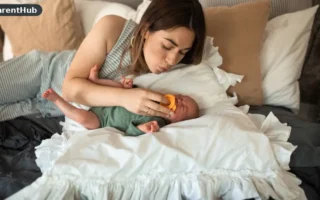
In the first month, your baby spends most time sleeping and feeding, with short awake periods for looking, listening and gentle movement. Newborn reflexes such as grasping, rooting and the startle reflex are strong, and your baby can focus on faces about 20 to 30 centimetres away. By six weeks, many babies begin to smile in response to a face or voice, and this social smile is a joyful early milestone.
By two to three months, your baby begins to lift the head during tummy time, follow objects with the eyes, and make cooing sounds. Head control improves steadily, and your baby may hold the head up for a few seconds when held upright. Talking, singing and face to face play support these skills, because your baby learns by watching your expressions and hearing your voice.
Tummy time is important from the first weeks, and even a few minutes several times a day helps build neck and shoulder strength. Place your baby on a firm surface on the tummy while they are awake and supervised, and use a mirror, a bright toy or your face to encourage lifting the head. Our guide to tummy time for healthy development explains how to build up tummy time gently.
Four to Six Months Rolling and Reaching
Between four and six months, babies become much more active and curious. Many babies roll from tummy to back first, then from back to tummy, and they begin to reach for toys, grasp objects and bring them to the mouth. Sitting with support becomes possible, and some babies sit briefly without support by six months. Babbling begins, with sounds such as ba, da and ma appearing in playful strings.
Feeding changes too, because many babies show interest in solid foods around six months, with good head control, sitting with support and a loss of the tongue thrust reflex. Play becomes more interactive, with peekaboo, tickling games and shaking a rattle. Offer toys of different textures, colours and sounds, and let your baby explore safely under your watch.
Keep the floor safe for rolling and reaching, with a clean mat, soft toys and no small objects within reach. Talk to your baby throughout the day, name objects, and respond to babbles as if they are conversation, because this builds language skills. If your baby is not rolling, reaching or babbling by six months, mention it at a health check, because early advice can help.
Seven to Nine Months Sitting and Crawling
Between seven and nine months, many babies sit without support, crawl or scoot, and pull up to stand while holding furniture. Pincer grasp develops, so your baby can pick up small pieces of food between thumb and finger. Babbling becomes more varied, and many babies understand simple words such as no and bye bye, and wave or clap in response.
Object permanence develops at this stage, which means your baby knows that a hidden toy still exists, and this is why peekaboo and hiding games become so much fun. Separation anxiety can also appear, because your baby now understands that you exist even when you leave the room, and may cry when you go. A calm goodbye routine, a familiar comfort object and short separations help your baby learn that you always return.
Make the home safe for a moving baby by covering sockets, securing furniture, removing small objects and blocking stairs. Our guide to helping your baby learn to sit up gives practical tips for building core strength safely. Offer finger foods, stacking cups and simple cause and effect toys, and give your baby plenty of floor time to practise moving.
- Sit without support and crawl or scoot
- Use pincer grasp for small pieces of food
- Understand simple words and wave goodbye
- Play peekaboo and enjoy hiding games
Ten to Twelve Months Standing and First Words
Between ten and twelve months, many babies pull up to stand, cruise along furniture and take first steps with support. Some babies walk alone by twelve months, while others walk a few months later, and both are within the normal range. First words such as mama, dada or a name for a favourite toy often appear, along with pointing, waving and simple gestures.
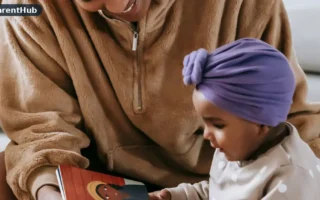
Social skills grow quickly at this age, because your baby begins to imitate daily actions such as brushing hair, stirring a pot or talking on a toy phone. Simple routines, songs with actions and reading picture books support language and memory. Offer choices between two toys or foods, and let your baby practise feeding with a spoon, even if most food ends up on the floor.
Keep play safe and simple, with push toys, low climbing surfaces and plenty of space to move. Avoid walkers with wheels, because they can be dangerous and do not help babies walk sooner. If your baby is not pulling up, babbling or responding to their name by twelve months, talk with a doctor, because early support makes a real difference.
After the First Birthday Growing Independence
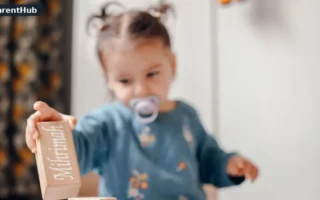
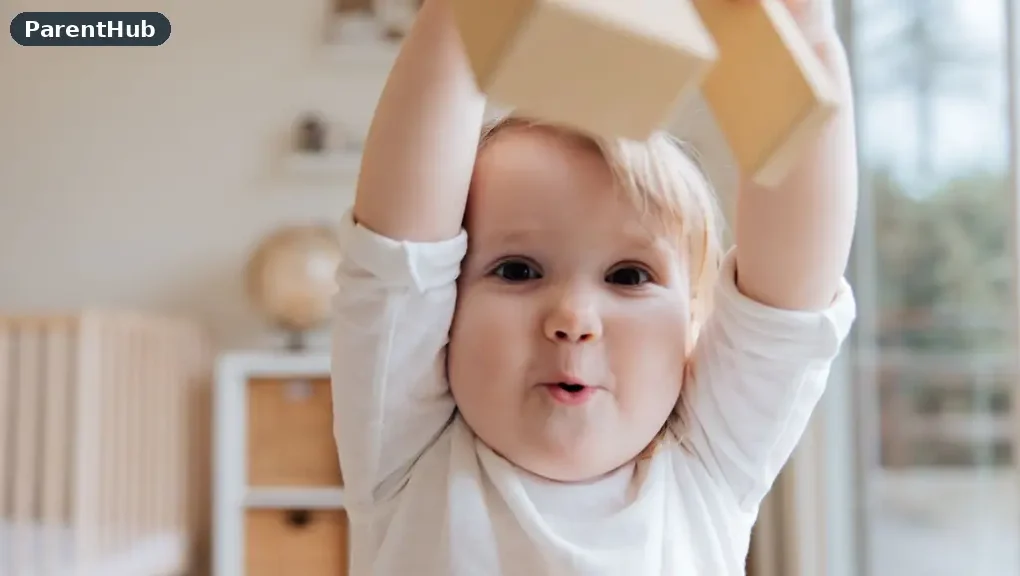
After the first birthday, toddlers grow more independent, with walking, climbing, stacking blocks and using a few words to ask for things. Vocabulary grows from a few words to dozens by 18 months, and two word phrases often appear by two years. Pretend play begins, with feeding a doll, pushing a toy car or pretending to cook, and this play builds imagination and social skills.
Daily routines help toddlers feel secure, because they learn what comes next and can predict the day. Offer simple choices, praise effort, and set gentle limits with clear words and calm repetition. Reading together every day, talking about what you see, and singing songs all support language growth more than any screen or app.
Every toddler develops at a different pace, and a child who walks late may talk early, while a child who talks late may be skilled at building or climbing. Focus on progress over time rather than comparing with other children. Keep regular health checks, note new skills in a simple diary, and ask a doctor if you notice a loss of skills or a long pause in development.
Watching Your Baby Grow Month by Month
Milestones are a map, not a race, and every baby follows a slightly different route. Offer plenty of play, talk, reading and floor time, keep the home safe, and celebrate each new skill as it appears. Keep a simple note of new skills, share the joy with family, and enjoy each stage as it comes. If you ever feel worried about development, trust your instincts and ask a health professional, because early questions lead to early support and a confident start for your baby.
When should a baby start smiling?
Most babies begin to smile in response to faces and voices between six and eight weeks. A social smile is an early milestone, and talking, singing and face to face play help it appear.
What age do babies usually start crawling?
Many babies crawl between seven and ten months, but some babies scoot, roll or move in other ways first. A few babies skip crawling and move straight to standing and walking, which can also be normal.
When do babies say their first words?
First words often appear between ten and twelve months, with words such as mama, dada or a name for a favourite object. Babbling, pointing and responding to simple words usually come first.
Should I worry if a baby is late with a milestone?
A small delay in one skill is often normal, because babies develop at different rates. Talk with a doctor if your baby misses several milestones, loses a skill, or shows no progress over several months.