
Burping is one of the first skills new parents learn, and one of the most confusing. Babies swallow air during feeds, and that trapped air can cause discomfort, fussiness, and spit up if it is not released. A good burp brings relief, and most parents soon learn to recognise the look of a baby who needs one. But there is no single right way to burp a baby, and what works for one baby may not work for another.
This guide explains why babies need burping, the positions that work best, and how to tell when your baby has had enough. It also covers common questions, such as how often to burp, what to do when a burp will not come, and when fussiness after a feed might mean something else. With a little practice, burping becomes a calm and natural part of feeding time.
Why Babies Need to Be Burped
Babies swallow air every time they feed. A baby who feeds quickly, cries during a feed, or takes in air around the nipple or bottle teat will swallow even more. This air collects in the stomach and can make the baby feel full before they have had enough milk. It can also cause pressure and discomfort that leads to crying, squirming, and spit up.
Burping releases the trapped air and makes room for more milk. A baby who has been burped is usually calmer and feeds better, because the pressure in the stomach is gone. Some babies need burping often, while others seem to manage with very little. Breastfed babies often swallow less air than bottle fed babies, but many still need a burp after each feed.
Not every baby needs burping after every feed, and not every feed produces a burp. The goal is not to force a loud burp but to give your baby the chance to release air comfortably. If a baby seems content and relaxed after a feed, a short attempt at burping is enough, and there is no need to keep trying for a long time.
Three Burping Positions That Work Well
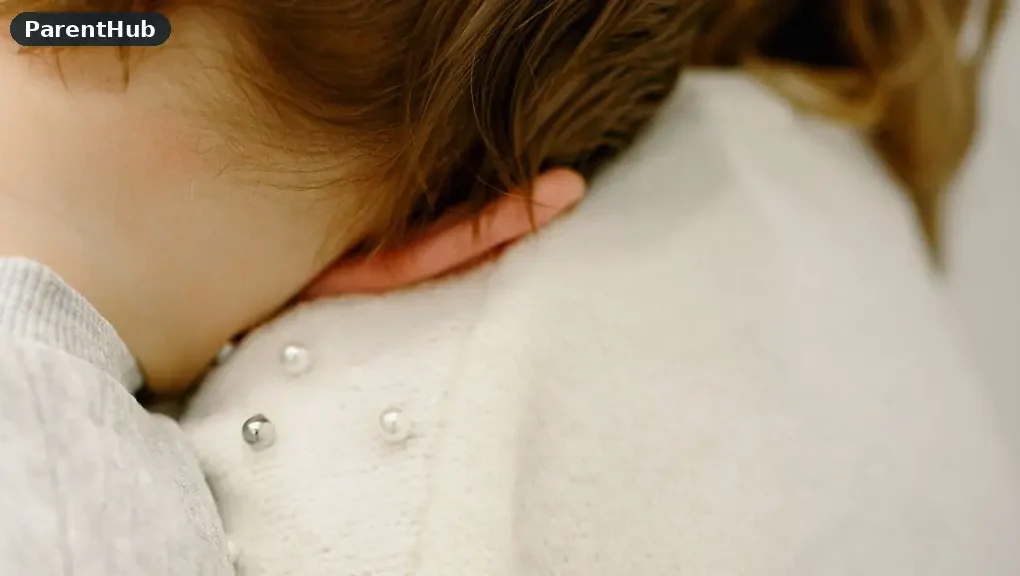
The shoulder position is the most familiar. Hold your baby upright against your chest, with their chin resting on your shoulder, and support their bottom with one hand. Use the other hand to pat or rub their back in gentle, firm strokes. A cloth over your shoulder protects your clothes from spit up, which is common during burping.
The sitting position works well for babies who like to be upright. Sit your baby on your lap facing away from you, lean them slightly forward, and support their chest and chin with one hand. Pat or rub their back with the other hand. This position lets you see your baby face, which helps you notice when they are uncomfortable or ready to stop.
- Over the shoulder, with the baby chin resting on your shoulder
- Sitting on your lap, leaning slightly forward with chest supported
- Across your lap, lying face down with the head slightly raised
- Try each position to find the one your baby prefers
The lap position is a good option when the other two do not work. Lay your baby face down across your lap, with their head slightly higher than their chest, and rub or pat their back gently. Some babies burp more easily in this position because the gentle pressure on the stomach helps the air move. Try each position and watch which one your baby responds to best.
How Often and When to Burp Your Baby
For a bottle fed baby, a good rule is to burp after every 60 to 90 millilitres of milk, or halfway through the feed if your baby takes a larger amount. For a breastfed baby, try burping when you switch breasts, and again at the end of the feed. These are guides, not strict rules, and your baby will show you what they need.
Burp your baby sooner if they pull away from the feed, start to fuss, or arch their back. These can be signs that trapped air is causing discomfort. A short pause to burp can make the rest of the feed go much more smoothly. Some babies also need a burp in the middle of the night, even if they fall asleep during the feed.
As babies grow, they usually need burping less often. By around four to six months, many babies can release air on their own, and burping becomes less necessary. If your baby is older and still needs burping after every feed, that is fine too. Every baby develops at their own pace, and there is no hurry to stop.
What to Do When a Burp Will Not Come
Sometimes a burp simply will not come, even after several minutes of patting. This is normal and does not mean you have done anything wrong. Try changing position, or gently moving your baby around, since a change in posture can help the air move. A slow walk around the room, with your baby held upright, often does the trick.
If no burp comes after a few minutes, and your baby seems comfortable, it is fine to stop trying. Not every feed produces a burp, and a baby who is relaxed and content probably does not have trapped air to release. Forcing the issue by patting harder or longer can upset your baby and is not helpful.
- Change position if a burp does not come after a few minutes
- Try a slow walk with your baby held upright
- Rub the back in slow circles instead of patting
- Stop trying if your baby seems comfortable and relaxed
Some babies swallow air and then hiccup instead of burping. Hiccups are common in newborns and usually harmless, though they can be a sign that the stomach is full of air. Our guide to newborn hiccups causes and simple relief explains why hiccups happen and what helps. If your baby hiccups often after feeds, a burp before the hiccups start may help.
Burping, Spit Up, and Feeding Comfort
Spit up is common in babies and often goes hand in hand with burping. A small amount of milk coming up with a burp is normal, especially in the first months. It happens because the valve between the stomach and the food pipe is still developing. Keeping your baby upright for twenty to thirty minutes after a feed can reduce spit up.
There are times when spit up or fussiness after feeds deserves attention. If your baby spits up large amounts, seems in pain during feeds, refuses to feed, or is not gaining weight, talk with your pediatrician. These signs can mean the feeding method needs adjusting, or that something else is going on. For help with feeding technique, our breastfeeding basics for new mothers covers latching and positioning in detail.
Feeding slowly and calmly also helps. A baby who feeds in a rush swallows more air than a baby who feeds at a relaxed pace. Hold your baby in a comfortable, semi upright position, keep the bottle teat full of milk if bottle feeding, and take short pauses during the feed. These small habits reduce the air your baby swallows and make burping easier.
Making Burping a Calm Part of Every Feed
Burping does not need to be a struggle. Try the different positions, burp partway through the feed as well as at the end, and stop when your baby is comfortable. Keep a cloth handy, stay patient when a burp will not come, and remember that most babies need less burping as they grow. A calm, gentle approach at feed time is the best help you can give your baby.
How long should I try to burp a baby?
Try for a few minutes in one position, then switch to another position if no burp comes. If your baby seems comfortable after a few minutes of trying, it is fine to stop. Not every feed produces a burp, and forcing it can upset your baby.
What is the best position for burping a baby?
The three main positions are over the shoulder, sitting on your lap leaning forward, and lying face down across your lap. Try each one and watch which your baby responds to best. Many babies have a clear preference, and it can change as they grow.
How often should I burp a bottle fed baby?
A good guide is to burp after every 60 to 90 millilitres of milk, or halfway through a larger feed. Burp sooner if your baby pulls away, fusses, or arches their back, as these can be signs that trapped air is causing discomfort.
Is spit up during burping normal?
A small amount of milk coming up with a burp is normal in the first months, because the valve between the stomach and food pipe is still developing. Keeping your baby upright for twenty to thirty minutes after a feed can reduce spit up.