Baby led weaning is a way of introducing solid foods where the baby feeds themselves with soft finger foods from the very start, instead of being spoon fed purees. The baby sits at the family table, picks up food with their hands, and explores tastes and textures at their own pace. For many families, it feels like a natural way to start solids, because it fits into normal family meals from day one.
The idea is simple, but the details matter. The right foods, the right timing, and a safe eating setup make the difference between a happy mealtime and a stressful one. This guide covers the basics for beginners, from knowing when your baby is ready to choosing the first foods and handling the mess that comes with learning to eat.
What Baby Led Weaning Really Means
In baby led weaning, the baby is in charge of how much they eat and how fast. You offer soft, graspable pieces of food, and your baby picks them up, explores them, and eats what they want. There is no spoon, no puree, and no pressure to finish a set amount. The baby learns by touching, squishing, tasting, and sometimes dropping the food on the floor.
This approach is different from traditional weaning, where a parent feeds smooth purees with a spoon and moves slowly toward thicker textures and finger foods. Neither method is right or wrong, and many families use a mix of both. What matters is that the method fits your baby, your family routine, and your comfort level with the process.
Milk remains the main source of nutrition in the first year, even with baby led weaning. The first foods are about learning, not about replacing milk. In the early weeks, your baby may eat very little and mostly play with the food, and that is normal. The skills they build through play, such as grasping, chewing, and swallowing, are the real point of these first meals.
When Your Baby Is Ready for Baby Led Weaning
Baby led weaning needs a baby who is ready for solids, and the signs are the same as for any method of starting solids. Your baby should be around six months old, able to sit up with little or no support, and able to hold their head steady. They should be able to pick up objects and bring them to their mouth, and the tongue thrust reflex that pushes food out should have faded.
Good hand to mouth coordination is especially important for baby led weaning, since the baby feeds themselves. Watch whether your baby can grasp a toy or a teether and guide it to their mouth without help. If they can, they have the basic skill they need to pick up food and eat it. If they cannot yet, a little more time and floor play will help.
- Around six months old and sitting with little support
- Head steady and trunk upright in the high chair
- Can grasp objects and bring them to the mouth
- Tongue thrust reflex has faded
- Shows interest in family food and mealtimes
If your baby shows these signs, they are ready to try. If not, wait a week or two and check again. Starting too early makes the experience harder for everyone, because the baby cannot manage the food safely. Check the readiness signs above again before offering the first tastes.
The Best First Foods for Baby Led Weaning
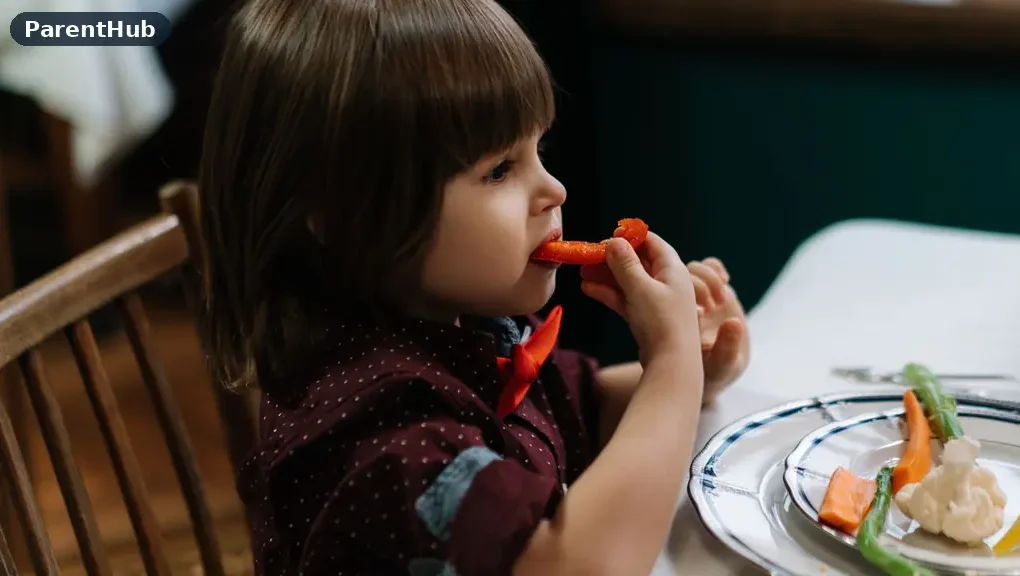
The best first foods are soft enough to squish between your fingers and large enough for a baby to grip. Long, finger shaped pieces work well in the early months, because a young baby grasps with their whole fist and needs a part sticking out to bite. Foods should be cooked until soft, so they break apart easily in the mouth.
- Soft cooked carrot sticks, sweet potato wedges, and broccoli florets
- Ripe banana halves, avocado slices, and soft pear pieces
- Strips of well cooked chicken, soft meatballs, or lentil patties
- Toast fingers with a thin spread of nut butter or mashed avocado
- Soft omelette strips or scrambled egg
Offer one or two foods at a time, and let your baby choose what to try. Variety matters, so introduce new flavours and textures over the weeks. Iron rich foods, such as meat, lentils, and egg, are especially useful from six months onwards. Our list of best first foods for your baby has more ideas for safe and nutritious options.
Some foods should be avoided in the first year. These include whole nuts, whole grapes, raw carrots, and hard foods that can break into pieces and block the airway. Honey should not be given to babies under one year. Cut round foods, such as grapes and cherry tomatoes, into quarters lengthways so they cannot block the airway.
Setting Up Safe and Relaxed Mealtimes
Safety comes first in baby led weaning. Your baby should sit upright in a high chair, with their feet supported and their back straight. Never leave a baby alone while eating, and always stay close enough to act quickly if they need help. Learn the difference between gagging and choking before you start, so you can respond calmly.
Gagging is common and normal in the early weeks. It is the body way of moving food that is too far back in the mouth forward again, and it usually passes on its own. A gagging baby may make noises, cough, or look uncomfortable for a moment, then carry on eating. Choking is different and silent, with no sound, no cough, and a baby who cannot breathe. Every parent should know basic choking first aid before starting baby led weaning, and our guide to choking prevention and safe feeding habits explains the key safety points.
Mealtimes will be messy, and that is part of the learning. A large bib, a splash mat under the high chair, and clothes you do not mind getting dirty will make clean up easier. Let your baby explore without wiping their face and hands every few seconds, since constant wiping can interrupt their learning and frustrate them.
Common Worries for Baby Led Weaning Beginners
The most common worry is that the baby is not eating enough. In the early weeks, this is normal. Your baby is learning, and milk still provides most of their nutrition. Over time, the amount they eat will grow as their skills improve. Offer food at a time when your baby is alert and calm, not too hungry and not too tired, so they can focus on exploring.
Another worry is mess. Baby led weaning is messy, and there is no way around it. Food will be dropped, smeared, and thrown, and that is how babies learn about texture and gravity. Accepting the mess, and making clean up easy, keeps mealtimes relaxed. A baby who feels relaxed eats better than a baby who feels watched and corrected.
Some parents worry about combining baby led weaning with spoon feeding. There is no rule against mixing the two. Many families offer finger foods at most meals and a spoon fed meal when it suits them, such as soup or porridge. The baby still learns to feed themselves, and the family keeps the flexibility they need.
Starting Baby Led Weaning With Confidence
Baby led weaning works best when it is relaxed, safe, and fun. Wait until your baby shows the signs of readiness, offer soft finger foods they can grip, stay close during every meal, and let your baby set the pace. The mess and the gagging are normal parts of learning, and the skills your baby builds now will serve them for years. Trust the process, enjoy the family meals together, and watch your baby discover food one handful at a time.
What age can I start baby led weaning?
Most babies are ready for baby led weaning around six months, when they can sit with little support, hold their head steady, and grasp objects and bring them to the mouth. The tongue thrust reflex should have faded and your baby should show interest in family food.
What are the best first foods for baby led weaning?
Soft cooked carrot sticks, sweet potato wedges, broccoli florets, ripe banana, avocado slices, and strips of well cooked chicken are good first foods. Choose foods that are soft enough to squish and large enough for a baby to grip with their whole fist.
Is gagging normal during baby led weaning?
Yes, gagging is common and normal in the early weeks. It is the body way of moving food forward in the mouth and it usually passes on its own. Choking is different and silent, so learn the difference and basic choking first aid before you start.
Can I mix baby led weaning with spoon feeding?
Yes, many families use a mix of both. You can offer finger foods at most meals and spoon feed when it suits you, such as for soup or porridge. There is no rule against combining the two, and the baby still learns to feed themselves.